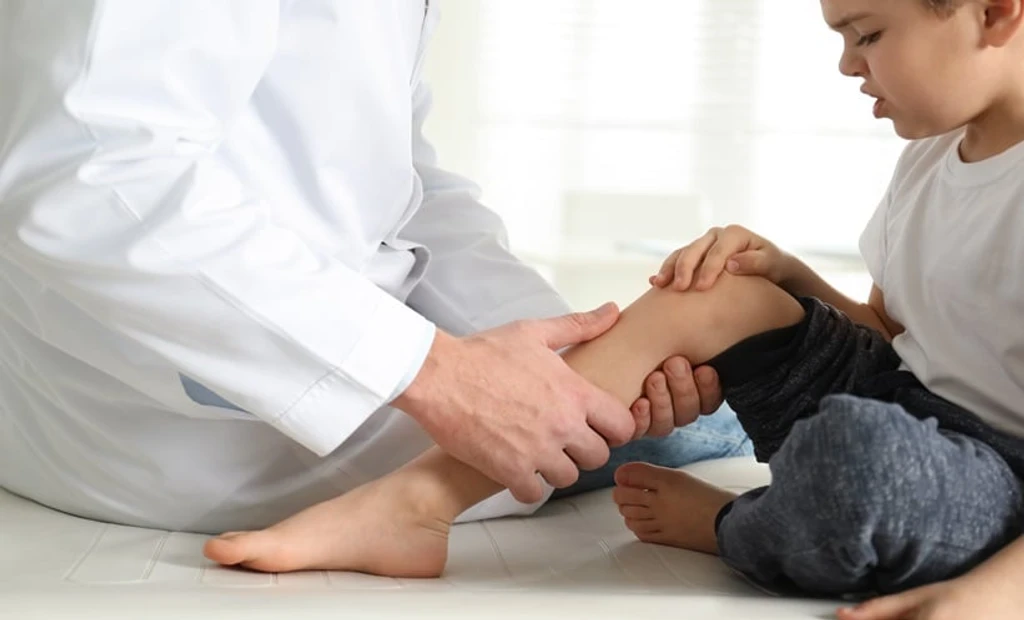
A new study reveals that rice body synovitis, a rare joint condition in children, is more often linked to juvenile idiopathic arthritis than infection alone. Researchers reviewed six cases of knee rice body synovitis in children aged 2 to 9, plus published cases from 2006 to 2026.
Historically tied to tuberculosis, the condition is now recognized as part of the juvenile arthritis spectrum. Among the six patients, one had juvenile idiopathic arthritis, one had tuberculosis, and four had nonspecific synovitis. All underwent arthroscopic debridement.
MRI emerged as a key diagnostic tool, showing distinct patterns of rice bodies within joint fluid. In a broader pool of 44 pediatric patients, juvenile idiopathic arthritis accounted for 77.3% of cases, signaling a shift in how clinicians should approach diagnosis.
Treatment requires both surgical and medical management. Arthroscopic debridement provided symptom relief, but recurrence occurred in the patient with juvenile arthritis, requiring disease-modifying antirheumatic therapy. The study emphasizes early MRI recognition and coordinated care between rheumatology and orthopedics. While JIA predominates in developed settings, tuberculosis remains a critical concern in endemic regions.