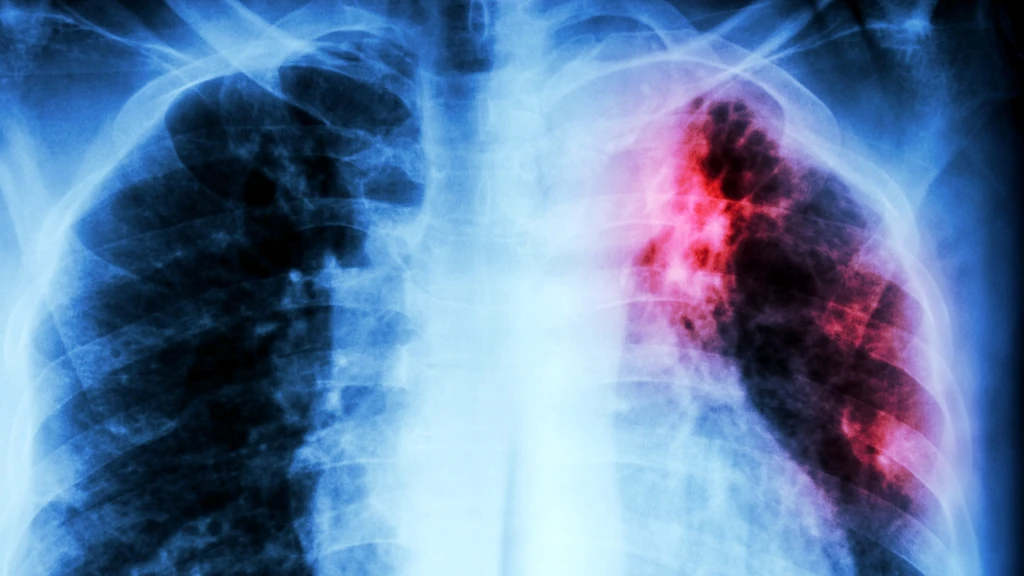
After decades of decline, tuberculosis (TB) is seeing a resurgence, with antibiotic resistance adding to the challenge. An international team of researchers has made significant strides, studying ecumicin, ilamycins, and cyclomarins, compounds that disrupt the ClpC1-ClpP1P2 complex within Mycobacterium tuberculosis. This complex is crucial for clearing waste proteins, which helps the bacterium survive. The study, published in Nature Communications, shows each compound acts differently, creating imbalances that weaken the bacterium.
'TB bacteria depend on this recycling system to stay alive,' says Warwick Britton, immunologist from the University of Sydney. 'Our findings could lead to more effective anti-TB treatments.' TB now claims over a million lives annually, and antibiotic resistance poses a significant threat.
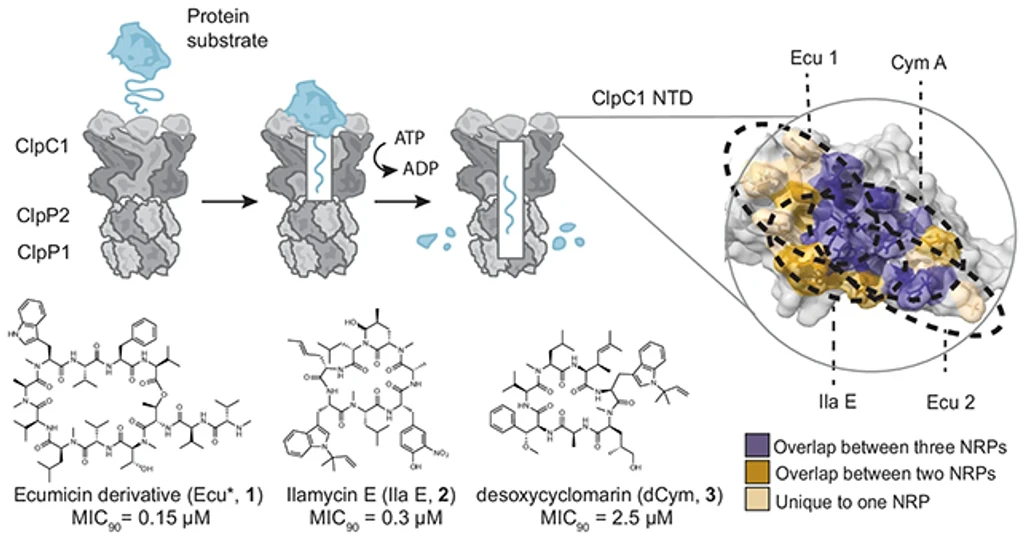
Each of the compounds affects the bacterium's protein recycling system, with ecumicin having the most potent effect, causing stress protein Hsp20 to spike. This deeper understanding will help scientists refine these compounds for more precise and effective treatments against TB.