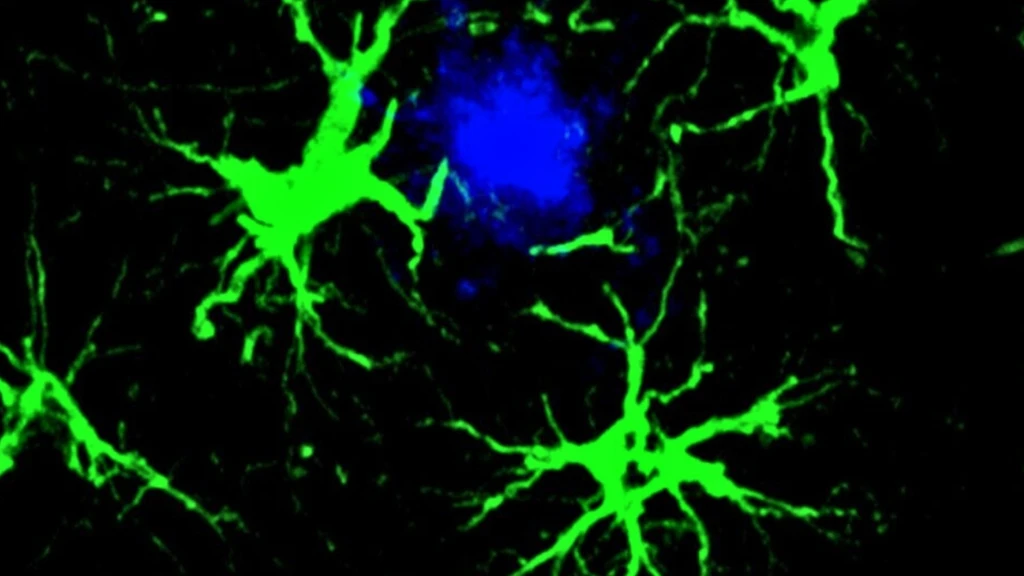
Scientists have developed a novel cellular immunotherapy that effectively reduces amyloid plaques associated with Alzheimer's disease in mice. Researchers at Washington University engineered brain cells, specifically astrocytes, to act as "super cleaners," targeting and removing harmful amyloid beta proteins.
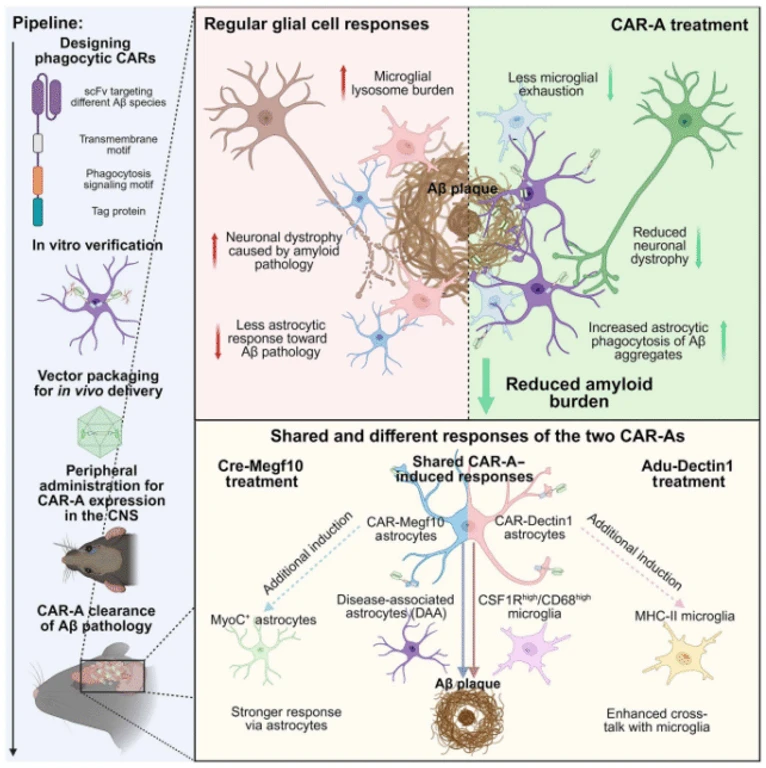
The gene therapy, administered via a single injection, showed significant promise. In mice predisposed to plaque development, it prevented the formation of these deposits. In mice with existing plaques, the treatment resulted in a roughly 50 percent reduction.
This approach adapts techniques from CAR T-cell therapy, a known cancer treatment. By genetically modifying astrocytes, the therapy harnesses their natural brain functions to specifically target amyloid beta, the protein linked to cognitive decline in Alzheimer's.
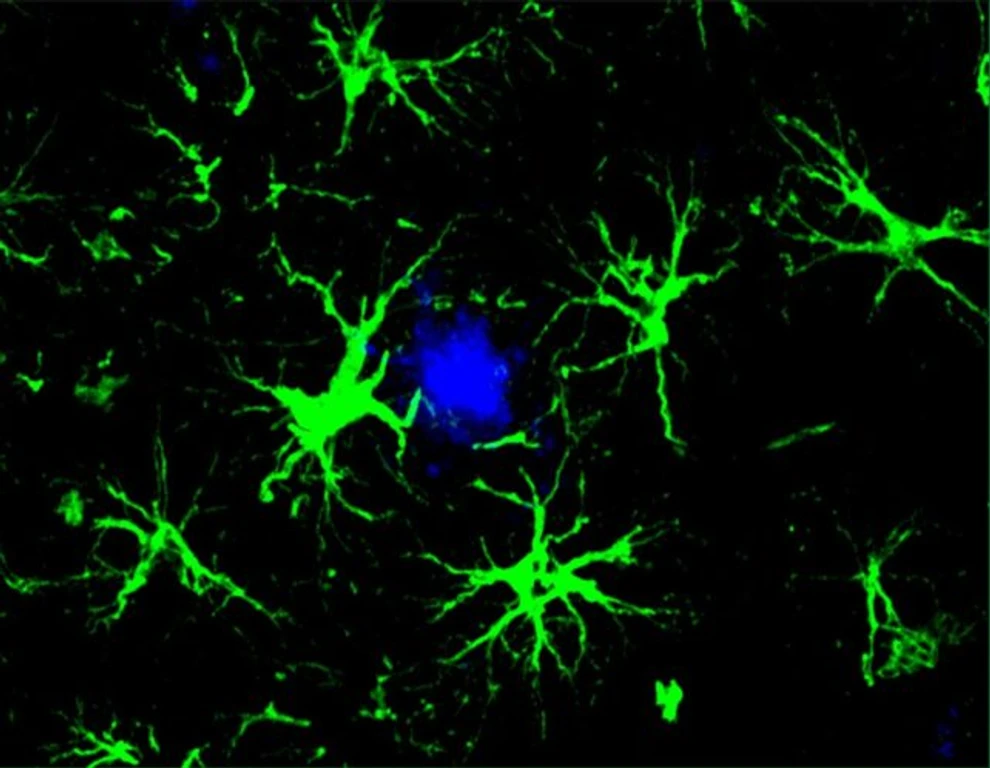
While still in the early stages, this research presents an exciting new avenue for treating neurodegenerative diseases. Further studies are needed to optimize the therapy and ensure its safety before human trials can commence.