
Nearly one billion people worldwide suffer from sleep apnea, a disorder where breathing repeatedly stops during sleep, leading to serious cardiovascular and cognitive risks. Now, a new pharmaceutical solution called AD109 could offer a convenient alternative to CPAP machines.
In a phase 3 clinical trial, 646 patients who could not tolerate CPAP took AD109 nightly for 26 weeks. Results showed a 44% reduction in the apnea-hypopnea index (AHI), a measure of breathing pauses. Nearly 42% of participants moved to a lower severity category, and 18% experienced complete remission.
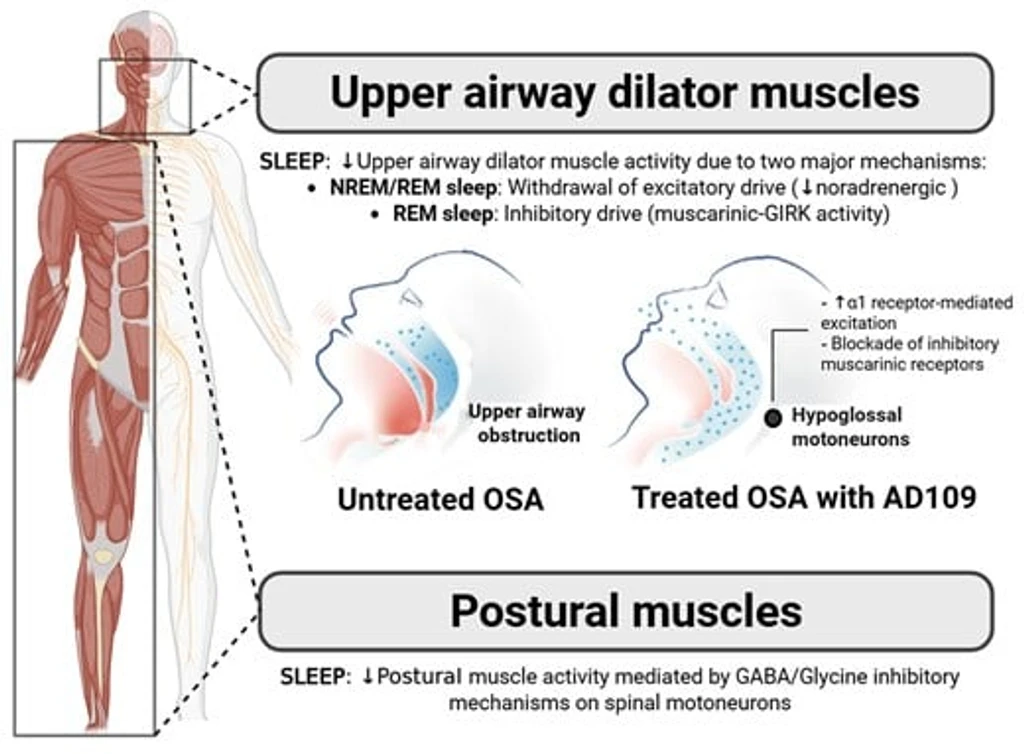
The pill combines aroxybutynin and atomoxetine, a drug used for ADHD, to prevent airway muscle collapse during sleep. Mild side effects included dry mouth, nausea, and insomnia.
The US Food and Drug Administration has fast-tracked approval, with a decision expected in 2027. This drug could revolutionize treatment for millions who abandon CPAP therapy due to discomfort.