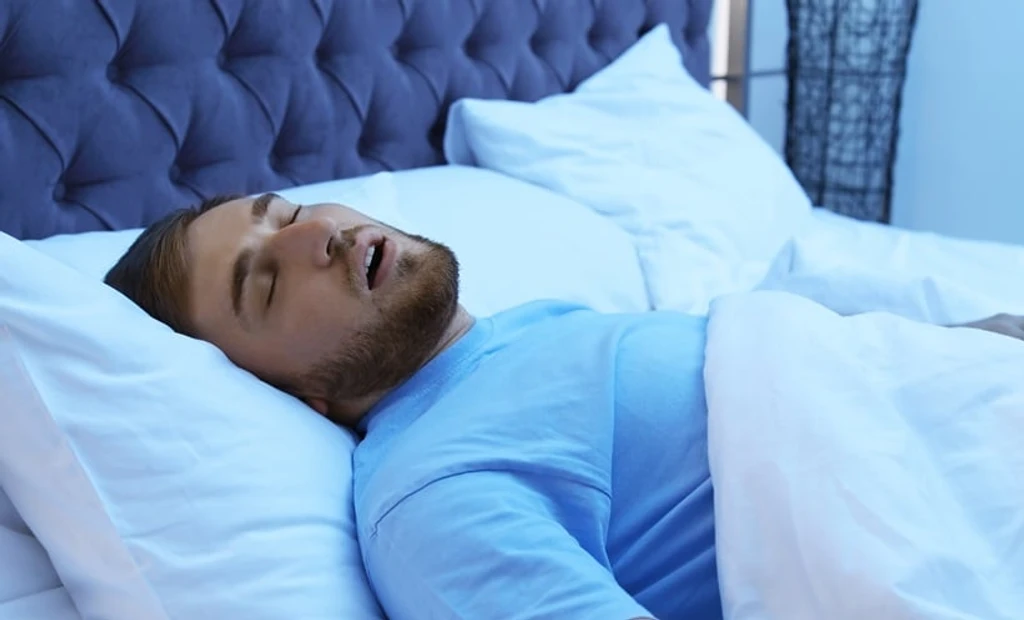
Obstructive sleep apnea is a significant drain on workplace productivity, with new analysis estimating it affects 22.8% of U.S. adults. The condition, characterized by repeated airway narrowing during sleep, leads to fragmented rest and substantial economic losses.
Researchers estimate annual productivity losses in the USA to be around $180.2 billion, equating to $3,727 per affected worker. These losses stem from both absenteeism and presenteeism - reduced performance while at work. The cost of Continuous Positive Airway Pressure (CPAP) treatment, a standard therapy, is significantly lower at approximately $1,661 per patient annually. This disparity suggests that improved identification, access, and adherence to treatment could yield substantial net economic gains.
While these figures are likely conservative, omitting increased healthcare costs and accident risks, the potential for workplace screening in high-risk occupations is gaining traction. Developments in risk algorithms, home sleep testing, and diverse treatment options are paving the way for trials, but concerns regarding job security, insurance, and privacy must be addressed. A pilot screening program for professional drivers is proposed as a next step to evaluate its impact on reducing accidents and absenteeism.