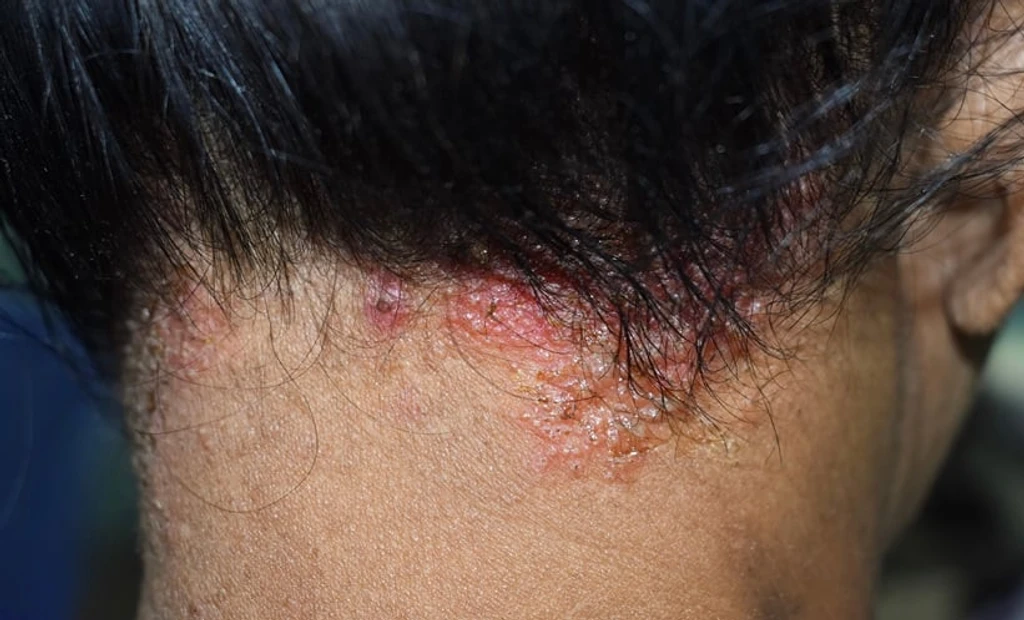
A new study reveals a complex link between allergic reactions to common hair product ingredients and changes in the scalp's microbiome in patients with seborrheic dermatitis.
Researchers analyzed 63 patients, testing them for 62 potential allergens. They found that sensitivities to common ingredients like cetrimonium bromide, nickel sulfate, and minoxidil were frequent among those with scalp involvement.
Crucially, the study found specific allergens were tied to measurable skin barrier damage, shown by increased transepidermal water loss. This was particularly linked to fragrance and preservative allergens.
Microbiome analysis revealed that minoxidil sensitivity was associated with lower levels of the fungus Malassezia, a known player in the condition. In contrast, sensitivities to other common additives were linked to increased detection of bacteria like Staphylococcus and Candida.
The authors state that allergen testing should not be viewed alone. Results must be considered alongside a patient's specific product exposure, skin barrier health, disease severity, and microbial profile to develop truly personalized treatment plans.
Reference: Cui C et al. Contact sensitization to hair care allergens in scalp seborrheic dermatitis: associations with disease severity and microbiota profiles. Front Allergy. 2026;7:1862176.