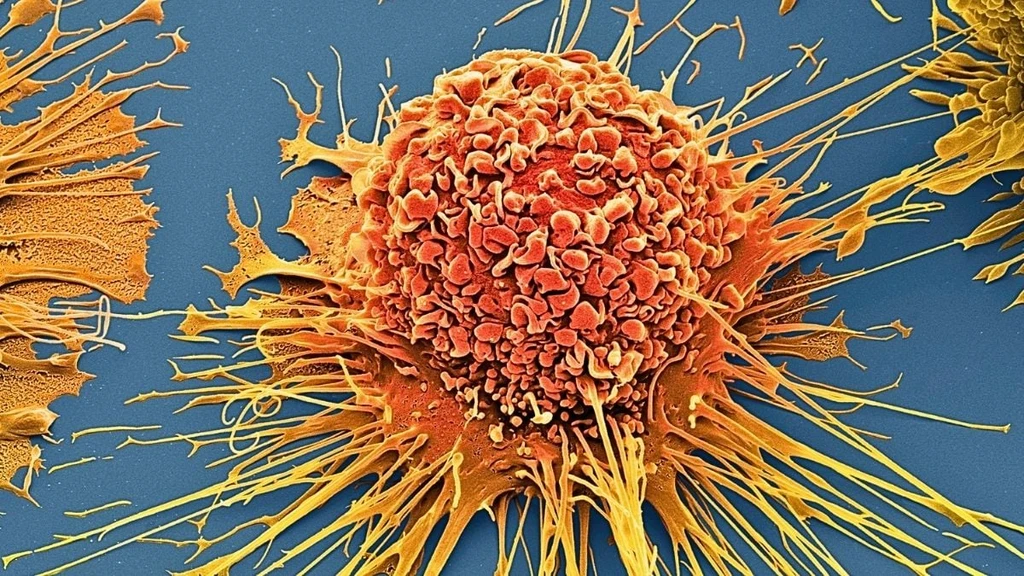
A team of scientists has demonstrated a novel cancer-fighting technique called a 'molecular jackhammer.' The method uses aminocyanine molecules, synthetic dyes common in medical imaging. When stimulated by near-infrared light, these molecules vibrate at 40 trillion oscillations per second. This intense, synchronized movement physically tears apart the membranes of cancer cells.
Initial experiments showed a 99% success rate in destroying cancer cells in lab cultures. In mouse models of melanoma, half the animals became cancer-free. The results were published in Nature Chemistry by researchers from Rice University, Texas A&M, and the University of Texas.
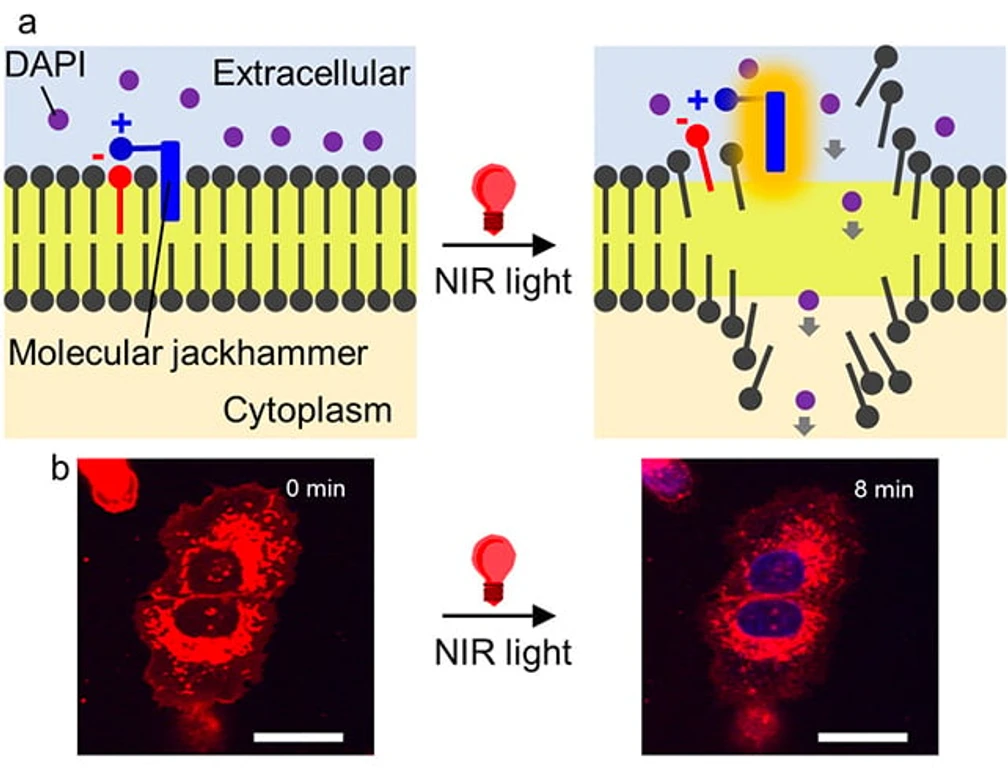
The near-infrared light is significant because it can penetrate deeper into the body, potentially allowing treatment of cancers in bones and internal organs without invasive surgery.
A key potential advantage of this mechanical approach is that cancer cells may not be able to develop resistance to it, unlike with chemical drugs. Researchers have since published a follow-up study in Advanced Science, describing various molecular jackhammer designs for targeting different cancers with greater precision.
They also addressed safety, finding that low doses of unactivated molecules are quickly cleared by normal cells, suggesting a favorable safety profile for potential therapeutic use. It remains early-stage research, with human trials still in the future.