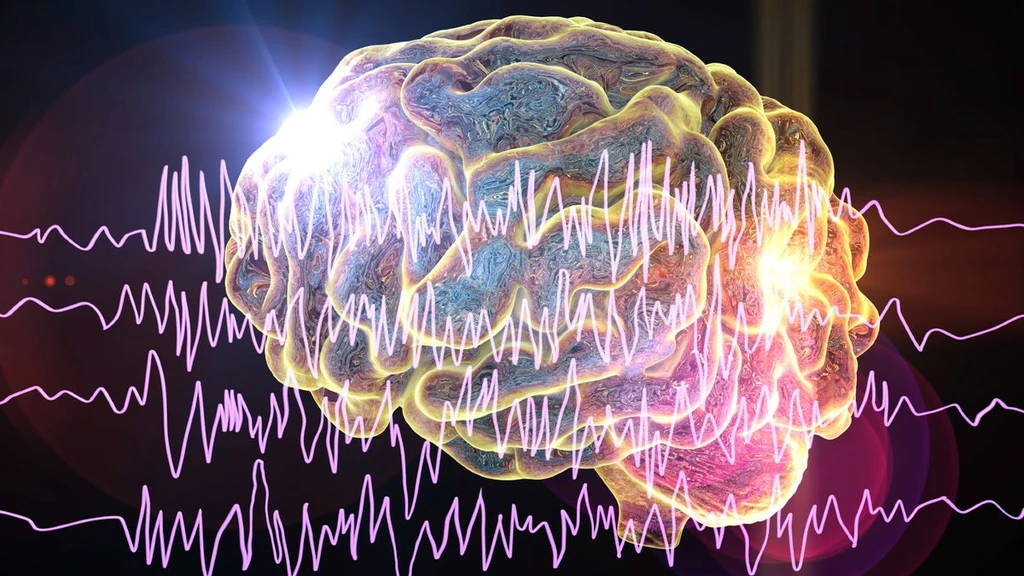
New research indicates that the brain's memory-forming sleep stages could be involved in reinforcing epileptic seizures, potentially complicating treatment. The study suggests this process might make seizures harder to manage, but also points to a potential countermeasure: electrical stimulation to prevent the brain from "memorizing" seizure activity.
Scientists hypothesize that the brain, instead of solidifying memories after a seizure, may consolidate neuronal connections that trigger future seizures. This phenomenon, previously observed in rats, has been challenging to study in humans due to the artificial sleep environments of clinics. A new study, however, involved participants sleeping at home with implanted electrodes for extended periods, providing a more realistic view of sleep and seizure patterns.
The research analyzed participants with drug-resistant epilepsy, some fitted with devices to detect and reduce seizures, others with systems that only recorded brain signals. Findings indicate that individuals slept longer after seizures, but specific sleep stages were affected differently. Rapid-eye-movement (REM) sleep, crucial for emotional processing, was notably shorter. Conversely, the deepest stage of sleep, vital for memory storage, increased in length and intensity. This suggests the brain might be repurposing memory-encoding pathways to "remember" seizure formation.
This breakthrough opens avenues for personalized treatments. Future work aims to confirm if altered sleep patterns after seizures indeed reinforce them. The development of adaptive, closed-loop systems that adjust electrical stimulation based on both seizure and sleep data could offer a novel approach to managing drug-resistant epilepsy, providing hope for patients with limited treatment options.