
Scientists have found mounting evidence that the Epstein-Barr virus (EBV), one of the most common viruses globally, may trigger multiple sclerosis (MS). EBV causes infectious mononucleosis and can remain dormant in the body. It is carried by 95 percent of adults.
A new study from the University of California San Francisco (UCSF) suggests a plausible mechanism: immune cells known as 'killer' T cells, crucial for fighting viruses, are more prevalent in MS patients and some appear specifically activated by EBV.
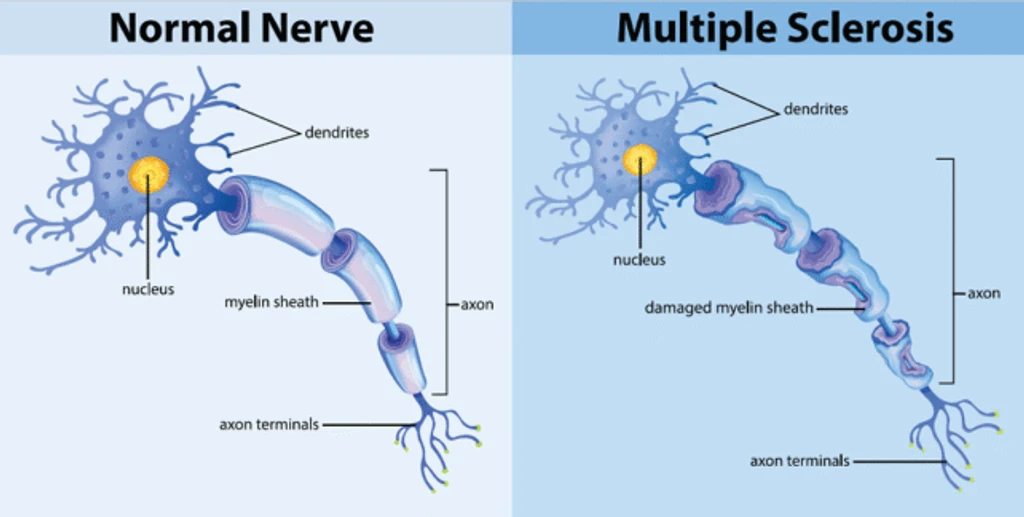
This builds on earlier research indicating a significantly higher risk of MS following EBV infection. Scientists theorize that the immune system mistakenly targets nerve sheaths in the brain as a threat due to EBV. "The big hope here is that if we can interfere with EBV, we can have a big effect, not just on MS but on other disorders," stated neurologist Joe Sabatino at UCSF.
Further analysis of MS patients' cerebrospinal fluid revealed EBV-recognizing killer T cells were up to 100 times more abundant than in their blood, suggesting a localized immune response within the central nervous system. Some of EBV's genes were also found to be active only in MS patients.