Researchers at UC San Francisco have discovered that two existing FDA-approved cancer drugs can reverse some of the brain damage caused by Alzheimer's disease in mice.
The drugs-letrozole, used for breast cancer, and irinotecan, used for colon and lung cancers-were identified using a computational approach that analyzed how Alzheimer's alters gene expression in the brain. The team cross-referenced a medical database and patient records to find drugs that could reverse those changes.
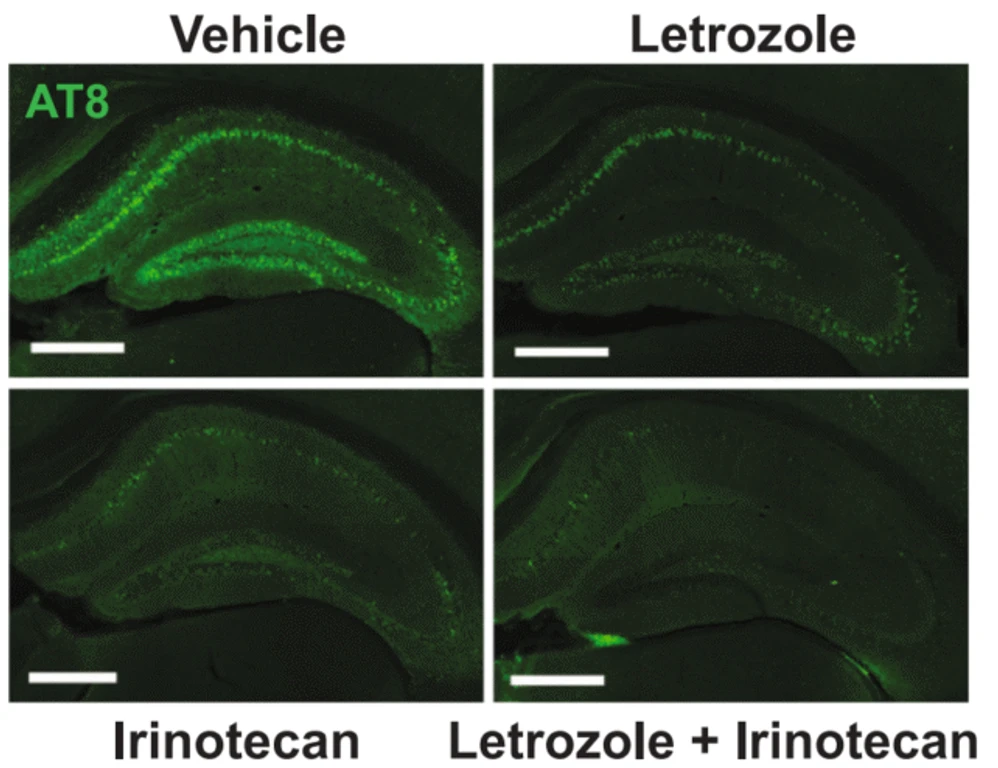
When tested together in mouse models, the drugs significantly reduced harmful tau protein clumps and improved learning and memory. Letrozole targeted neurons, while irinotecan worked on glial cells.
The findings are promising, but human clinical trials are needed to assess side effects and effectiveness. With over 55 million people affected by Alzheimer's worldwide, the potential impact is enormous.