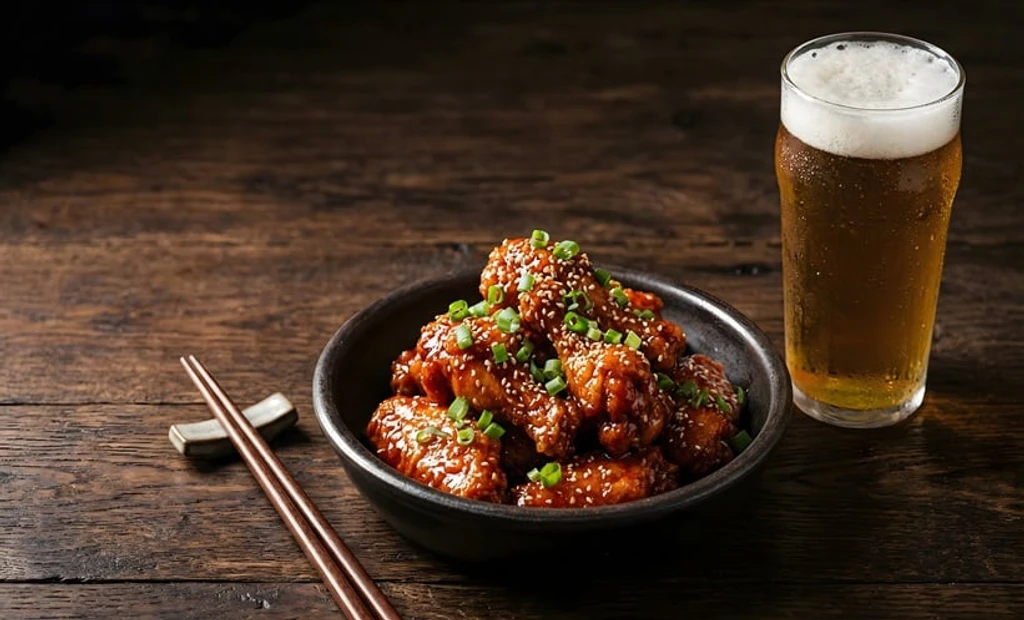
A new Korean study offers fresh insight into how spicy food and alcohol interact within the gut microbiome. Researchers examined 229 healthy adults using shotgun metagenomic analysis and found that spicy food alone promotes mucus layer stability via increased mucin metabolism.
However, when spicy food is consumed alongside high amounts of alcohol, the benefits diminish. The Drink-High-Spicy-High group showed elevated levels of Proteobacteria and Fusobacteria, increasing dysbiosis risk through mucin turnover. Alcohol consumption also raised intestinal fatty acid-binding protein (I-FABP) levels, indicating micro epithelial injury.
The study, published in Scientific Reports, notes that the Drink-Low-Spicy-High group showed enhanced amino acid metabolism, potentially predisposing adults to metabolic inflammation. Limitations include the fact that Korean spicy cuisine has varied nutritional profiles that could independently affect the gut, and mucin homeostasis interpretation relied on literature rather than direct measurements.