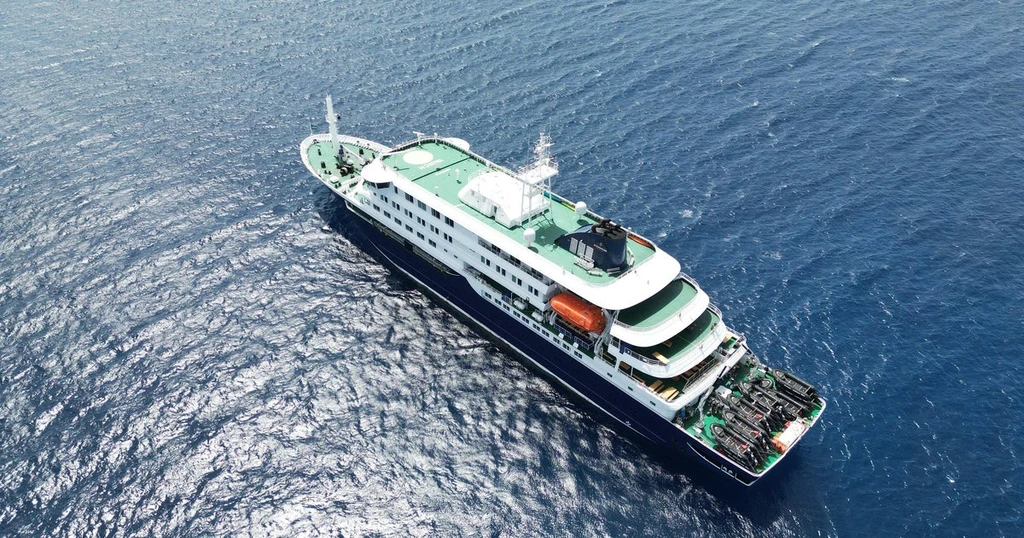
Spain has agreed to accept the MV Hondius, a cruise ship at the center of a rare hantavirus outbreak that has claimed three lives and infected several others, the World Health Organization confirmed.
The vessel, carrying nearly 150 people, had been stranded off Cape Verde after officials there refused docking over health concerns. Spain will now permit the ship to dock at the Canary Islands for full disinfection and an epidemiological investigation, said WHO Director Maria Van Kerkhove.
Of the three fatalities, two died on board-a German and a 70-year-old Dutch man. His 69-year-old Dutch wife died in South Africa after disembarking with gastrointestinal symptoms and collapsing during a flight. Four other suspected or confirmed cases exist, including a British national now in ICU in South Africa.
The WHO says human-to-human transmission appears to have occurred on the ship, where remaining passengers have been ordered to stay in their cabins. Contact tracing has begun for passengers who shared a flight with the deceased Dutch woman.
The outbreak origin remains unclear. Hantavirus, spread through rodent droppings or urine, has a mortality rate up to 50%. The ship departed Argentina on April 1 for a weekslong polar cruise. Among the 87 remaining passengers, 17 are Americans, 19 from the UK, and 13 from Spain.