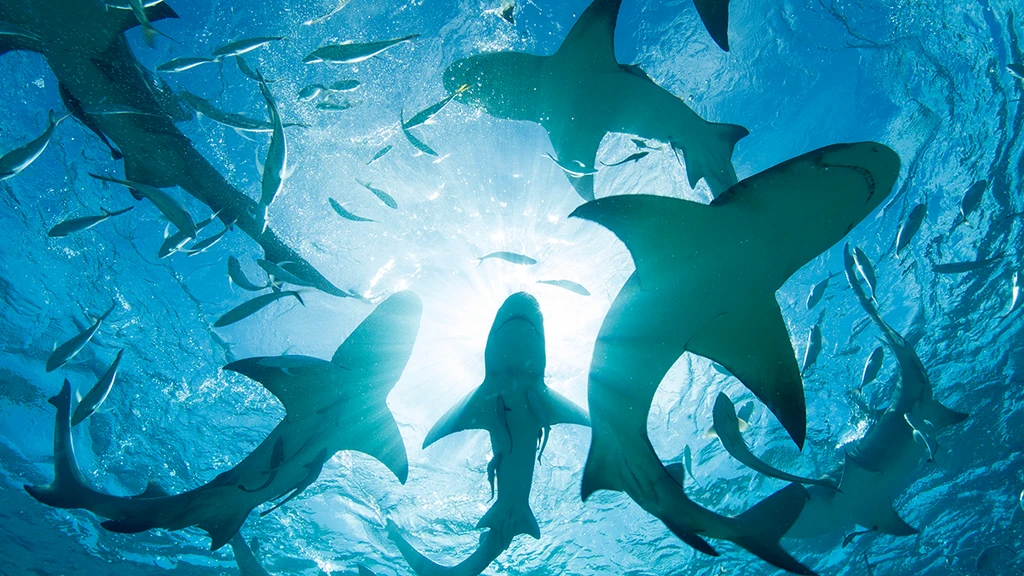
Sharks in the Bahamas are testing positive for cocaine, caffeine, and common painkillers-a stark sign of worsening marine pollution.
Researchers from the Bahamas, Brazil, and Chile analyzed blood from 85 sharks near Eleuthera, one of the nation’s most remote islands. Twenty-eight sharks carried traces of human-consumed substances, including acetaminophen and diclofenac.
Caffeine was the most frequently detected compound. Two sharks tested positive for cocaine-likely after biting submerged drug packets. Scientists say sharks’ natural curiosity leads them to investigate foreign objects, inadvertently exposing themselves.
The contamination is tied to untreated wastewater from tourism, cruise ships, and coastal development. This marks the first time caffeine has been found in any shark species globally, and the first detection of cocaine in Bahamian sharks.
Biologist Natascha Wosnick of Brazil’s Federal University of Paraná warns these contaminants may force sharks into higher metabolic stress as their bodies attempt detoxification.
Published in Environmental Pollution, the study urges immediate improvements in wastewater management and broader monitoring of so-called “contaminants of emerging concern” in supposedly pristine ecosystems.