
Human lifespans are extending, but many of those extra years are not lived in good health. A new review by geneticists explores a core evolutionary concept: the 'selection shadow.'
This theory posits that natural selection's power fades after reproduction. Evolution prioritizes traits that ensure reproductive success. Mutations harmful in old age persist because they've already been passed on. Genes beneficial in youth but damaging later are also favored.
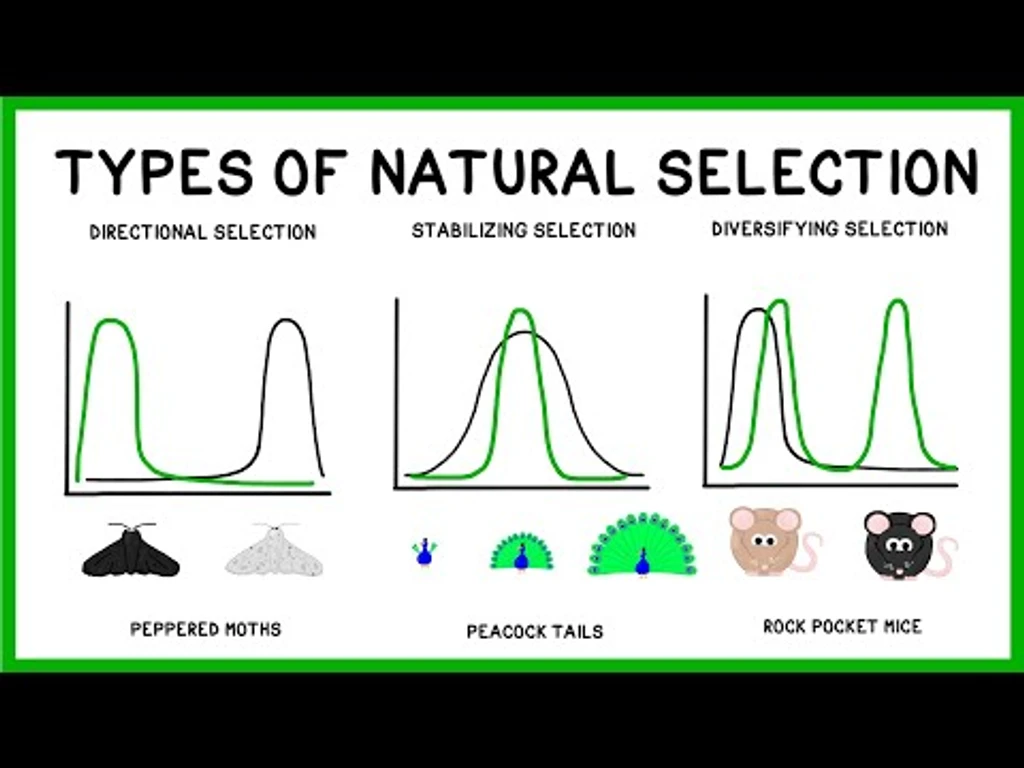
Researchers Handan Melike Dönertaş and Linda Partridge analyzed massive genetic datasets, confirming the selection shadow is real. Their work shows that forces like natural selection decline sharply with age.
They also found that aging hallmarks, such as chronic inflammation, are consistent across species. Studying long-lived animals like mole rats could offer clues to extending human healthspan.
The goal, the researchers argue, is not just to extend life, but to compress the period of poor health. Understanding the evolutionary roots of aging provides a new framework for interventions.