
Natural selection has played a larger role in shaping human DNA than previously understood, according to a significant new study from Harvard University researchers. The findings reveal that gene variants linked to red hair and pale skin were among those favored for survival.
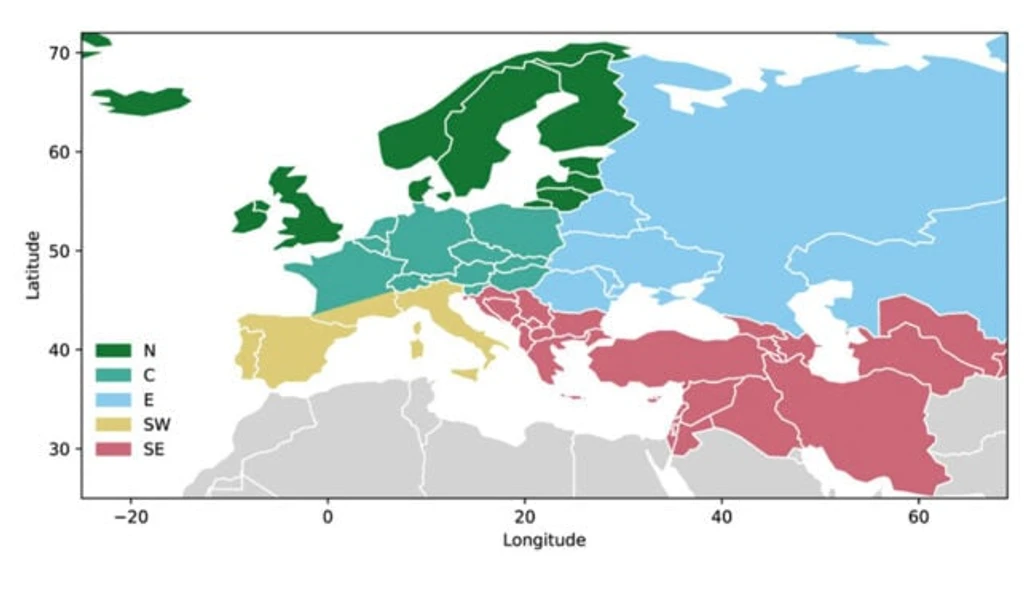
This research challenges the long-held belief that human genetic evolution largely paused after the shift from hunting to farming. Previous studies identified only 21 gene variants shaped by natural selection in Europeans over the past 10,000 years. The new work, however, points to 479 genetic variants that have been strongly selected for or against, including those associated with disease risk and psychiatric traits.
"This single paper doubles the size of the ancient human DNA literature," stated geneticist David Reich of Harvard University. The discoveries were made possible by analyzing ancient genomes from nearly 16,000 individuals and employing a novel computational method to track gene variant frequencies over time. This approach helps distinguish selection impacts from factors like migration and random chance.
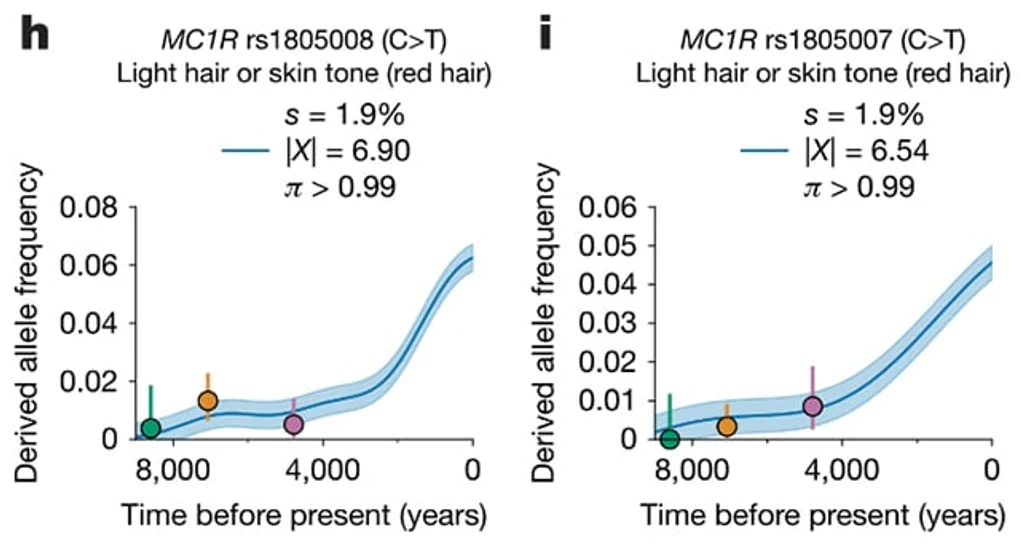
Researchers hypothesize that MC1R gene variants, strongly linked to red hair and pale skin, may have become advantageous because paler skin absorbs sunlight more efficiently, aiding vitamin D production. This became crucial as diets shifted towards more plants and grains, making sunshine a more critical vitamin D source. The study also noted that some variants worked in groups, while others varied in prevalence over time.
Geneticist Ali Akbari from Harvard University commented, "Instead of searching for the scars natural selection leaves in present-day genomes using simple models and assumptions, we can let the data speak for itself."