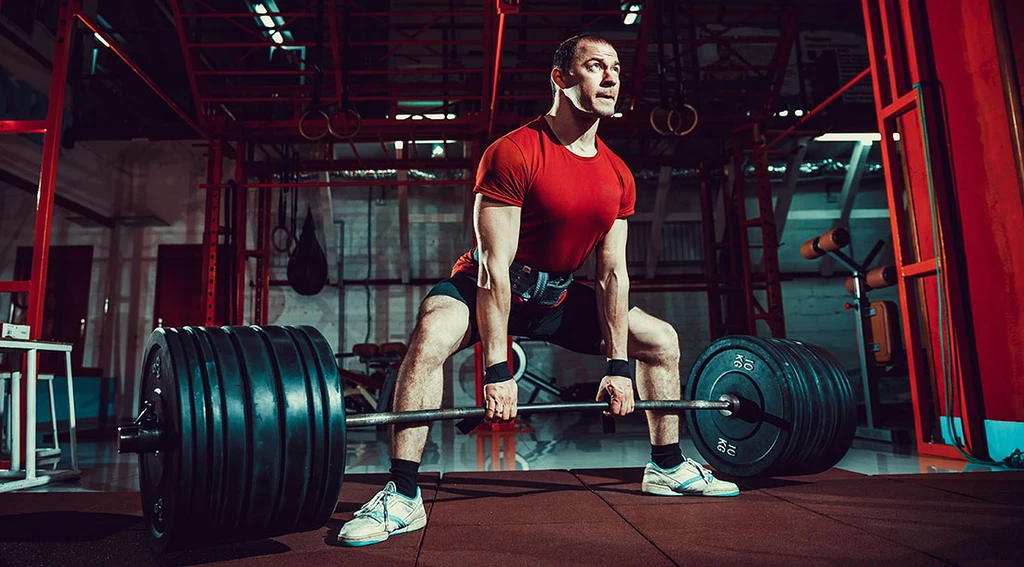
The sumo deadlift faces criticism, with some arguing its wide stance reduces the range of motion, akin to cheating. However, powerlifters and coaches maintain it's a valid variation suited to specific body types and goals, allowing heavier lifts with less pain. The debate centers on biomechanics, body structure, and the risk-reward ratio.
The sumo deadlift's wider stance and hands inside the knees alter joint angles, bar path, and muscular engagement. It emphasizes the quadriceps, glutes, and adductors while reducing spinal shear compared to conventional deadlifts. This can be beneficial for individuals with lower back sensitivity.
While conventional deadlifts often appear as pure brute force, sumo is perceived as cleaner and shorter. Experts clarify that it's simply a different biomechanical solution to the same task, not a shortcut. Critics also point to its technical complexity, requiring precise hip and toe angles, and core bracing.
Benefits include potential relief for lower back strain, better leverage for certain body types, and increased engagement of quads and adductors. For some, sumo offers a sustainable alternative for heavy pulling, promoting training longevity. The risk lies in improper form, which can lead to hip or adductor injuries, especially with a stance that doesn't suit the lifter's anatomy.
Ultimately, the sumo deadlift is a legitimate strength-building technique. Its effectiveness and safety depend on individual anatomy, mobility, and training goals. When aligned, it's a smart strategy, not cheating.