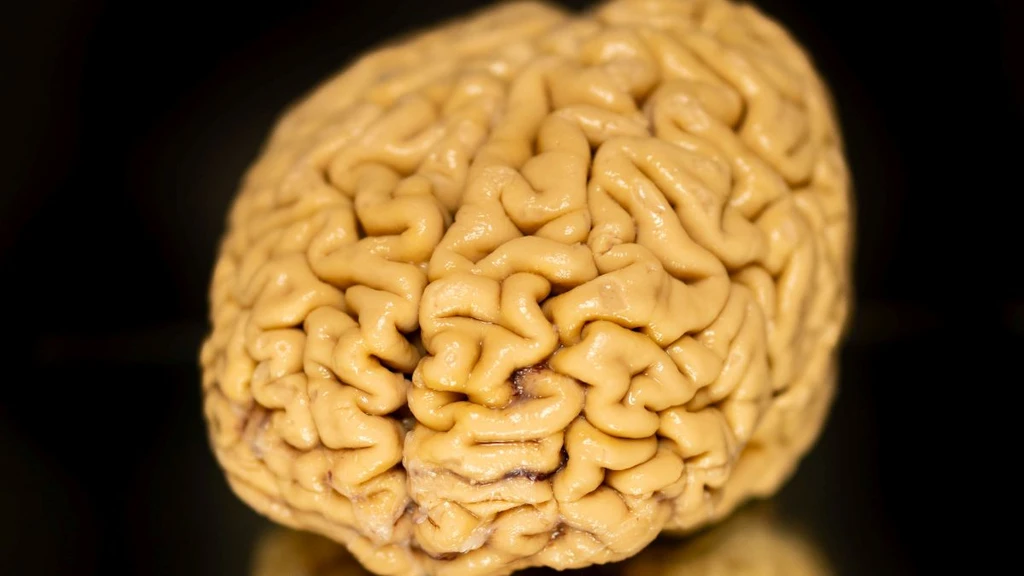
New research indicates that individuals who maintain exceptional memory into old age, known as 'superagers,' have significantly more developing brain cells than their peers. A study analyzing donated human brains found superagers possess roughly twice the number of immature neurons compared to healthy individuals aging more typically.

This finding contrasts with individuals experiencing Alzheimer's disease, who show a marked reduction in neurogenesis, the process of generating new neurons, particularly in the hippocampus, the brain's memory center.
Neuroscientist Orly Lazarov of the University of Illinois Chicago stated this research is a major step in understanding how the brain processes cognition, forms memories, and ages. The goal is to develop therapeutics for healthy aging and cognitive resilience, potentially preventing Alzheimer's and related dementias.

Analysis of hippocampal tissue samples from various age groups, including superagers and individuals with Alzheimer's, revealed striking differences. Superagers exhibited twice the neurogenesis of other healthy older adults, suggesting this process is a crucial factor in their superior memory retention. The research also indicated that neural cells in superagers show increased gene activity linked to stronger synaptic connections, greater plasticity, and brain-derived neurotrophic factor, a protein vital for neural health.
Neuropsychiatrist Tamar Gefen noted this provides biological proof that superagers' brains are more adaptable and highlights neurogenesis as a potential contributing factor to their cognitive vitality. This discovery opens avenues for strategies to boost neurogenesis and resilience, helping more adults preserve memory and cognitive health as they age.