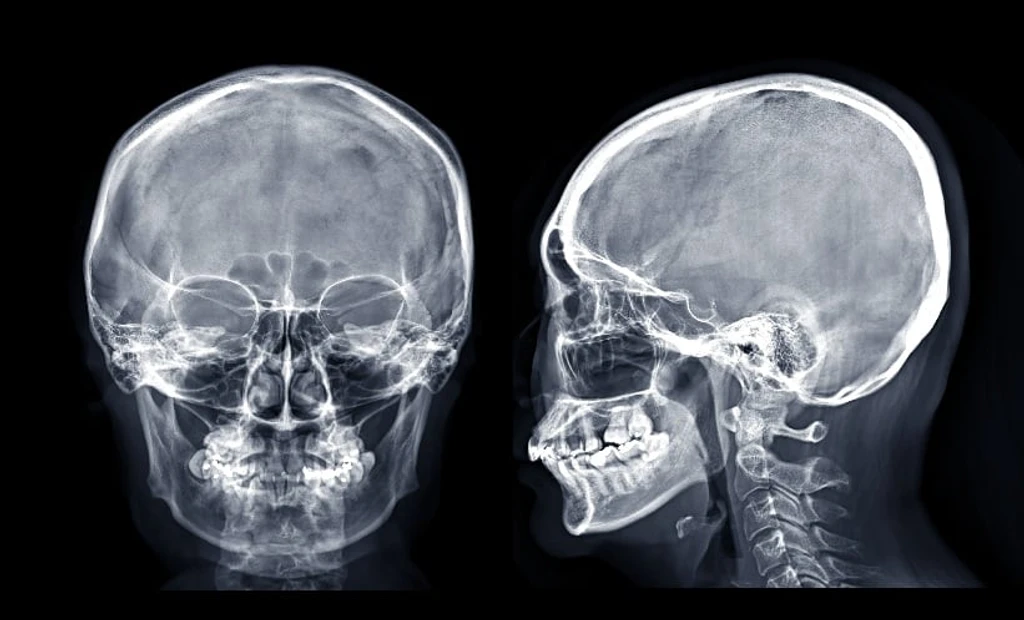
SYNthetic radiographs, or AI-generated X-ray images, are becoming increasingly realistic, raising questions about their detectability in clinical settings.
An international study tested whether radiologists and AI models could distinguish these deepfakes from real scans. Seventeen radiologists from six countries reviewed 154 images-half real, half synthetic. Without knowing the study's aim, 41% expressed suspicion. Once alerted, their accuracy rose to 75% for GPT-4o and 70% for RoentGen-generated images.
AI models outperformed humans, with GPT-4o and GPT-5 achieving up to 85% accuracy. However, even top-performing AIs failed to detect all fake images. Subtle cues like overly smooth bones or perfect symmetry sometimes betrayed synthetic origins, but not always.
Experts warn that while synthetic radiographs offer value in research and training-such as generating large datasets without patient data-they pose risks to diagnostic reliability. Improved detection tools and physician education are essential as medical deepfakes grow more convincing.