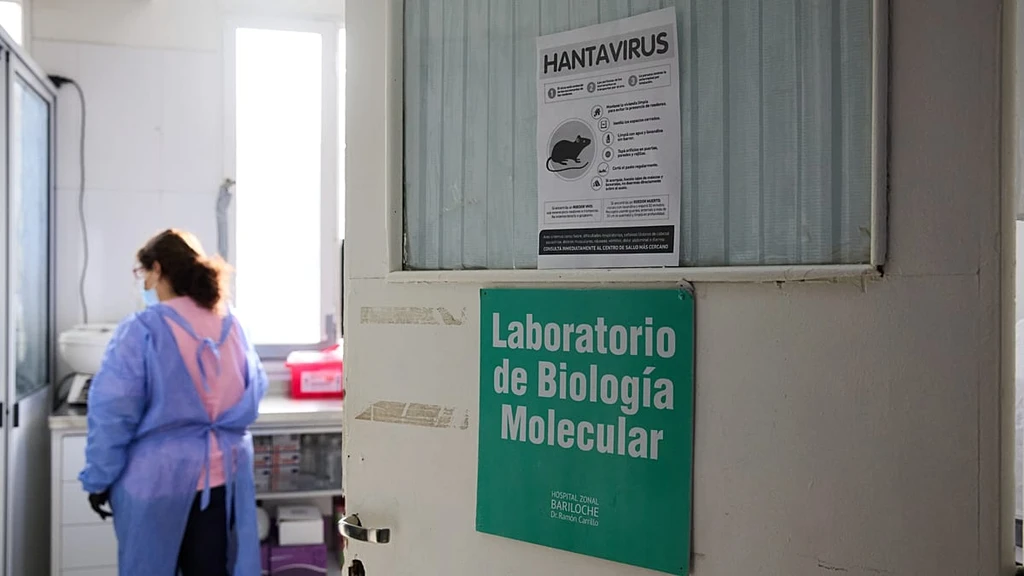
In the wake of a deadly hantavirus outbreak on the Dutch-flagged cruise ship MV Hondius, scientists are accelerating efforts to develop a vaccine. The outbreak, caused by the Andes strain of hantavirus, has resulted in 11 identified cases and three deaths, according to the World Health Organization.
While no specific treatments currently exist for hantavirus, researchers at the University of Bath had already been developing a novel mRNA vaccine targeting another strain called Hantaan. The team, led by chemist Asel Sartbaeva, reports promising immunogenicity results in animal tests using a completely new antigen.
The vaccine incorporates a technology called ensilication, which could make mRNA vaccines thermally stable at refrigerator temperatures, easing transport and distribution. The UK government awarded the team a contract in 2024 to develop this potential first-of-its-kind thermally stable mRNA vaccine against Hantaan.
However, it remains unclear whether the same technology will work against the Andes strain responsible for the cruise ship cases. "We don't know whether the antigen will be useful against Andes at the moment," Sartbaeva cautioned.
Despite the outbreak's severity, the WHO has stated there is no evidence of broader spread. Sartbaeva emphasized there is no need for public panic, noting the disease is rare and does not transmit easily, unlike the COVID-19 virus.