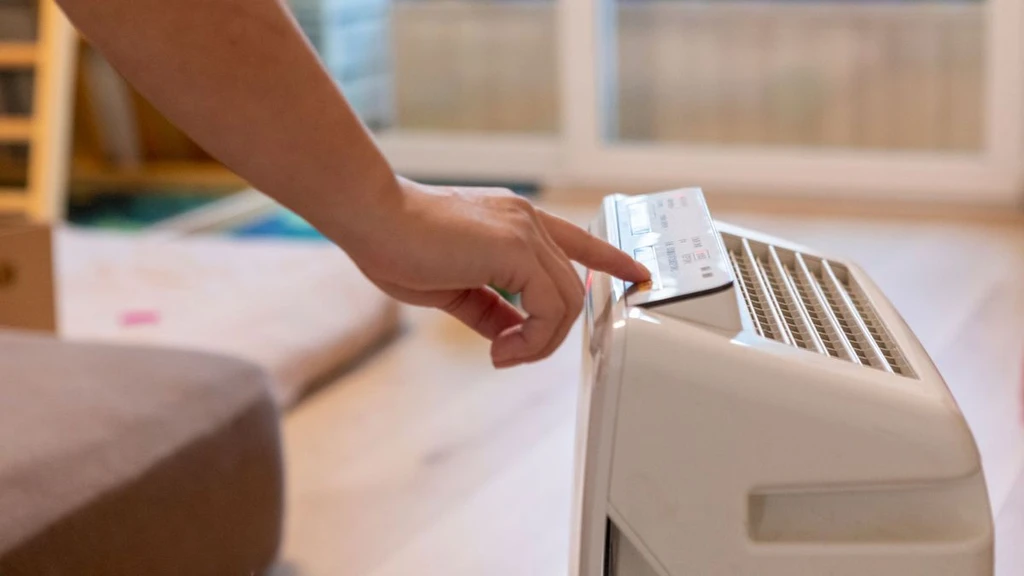
An air purifier can be a significant investment for managing hay fever, effectively filtering indoor air to remove allergens like pollen. However, maximizing its effectiveness requires avoiding common usage errors.
Experts advise keeping windows closed during high pollen counts to prevent outdoor allergens from entering. Placing an air purifier near an open window forces it to filter external air, reducing its capacity to clean indoor air. Air purifiers have defined capacities and should operate within appropriately sized rooms.
Regular maintenance is crucial. Manufacturers typically recommend changing air purifier filters every two to three months. A dirty filter becomes less effective, potentially recirculating allergens and diminishing the purifier's ability to capture irritants, leading to continued allergy symptoms.
For optimal performance, air purifiers should run continuously. This ensures constant circulation and filtration of indoor air, maintaining low allergen levels. Intermittent use is less effective, especially with open doors or when allergens are introduced via clothing or pets. Portable units are best placed in frequently occupied spaces like bedrooms.
Proper placement is key for efficient air circulation. Avoid positioning purifiers behind furniture, in corners, or too close to walls, as this obstructs airflow. An open location, 1 to 3 feet from obstructions and slightly elevated, promotes better circulation. The Clean Air Delivery Rate (CADR) should also match the room size for optimal effectiveness.
While air purifiers filter air, maintaining clean surfaces is also essential. Dust and pollen on surfaces can become airborne, increasing the workload on the purifier and potentially leading to premature filter clogging. Regular dusting and cleaning reduce the overall allergen load in the home, allowing the purifier to function more efficiently and extend the life of its filters.