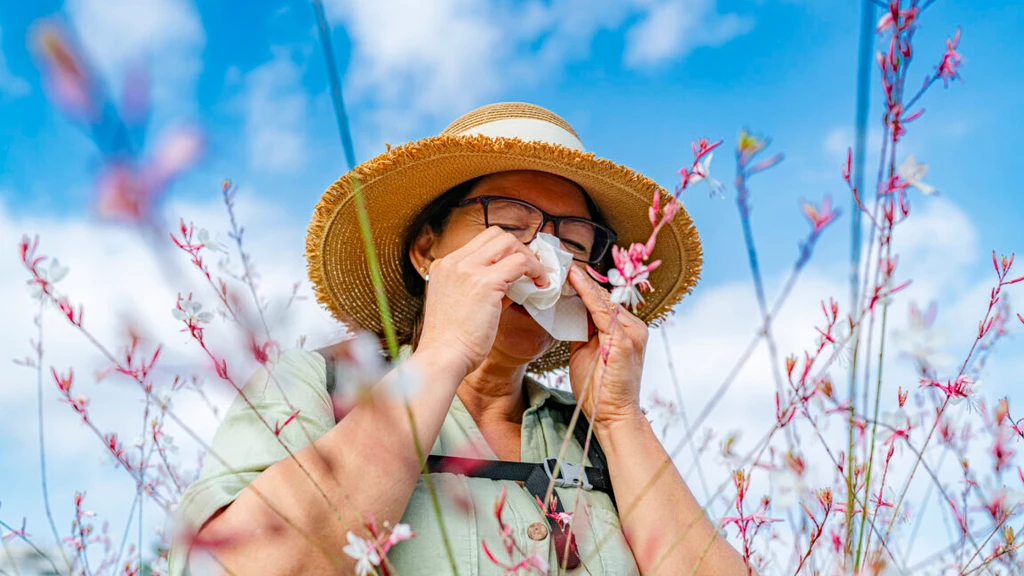
Climate change is making allergy seasons longer and more intense. Warmer temperatures extend pollen production, while increased humidity, heat, and flooding fuel mold growth in areas where it was once rare. This combination can trigger severe allergic reactions, especially after hurricanes or in poorly ventilated homes.
Pollen isn't just a nuisance-it disrupts sleep, increases sinus infections, and causes missed school or work. A 2024 Texas study found that high pollen counts can lead to a significant number of emergency room visits for asthma attacks. People with allergies are also more sensitive to heat waves and air pollution, compounding the problem.
Wildfire smoke adds another layer. On smoky days, patients with allergies face multiple respiratory stressors. Drought also worsens the issue, as rain typically washes pollen out of the air; without it, pollen lingers for weeks.
Doctors emphasize that climate change is a modifiable risk factor-one that can be addressed to improve public health.