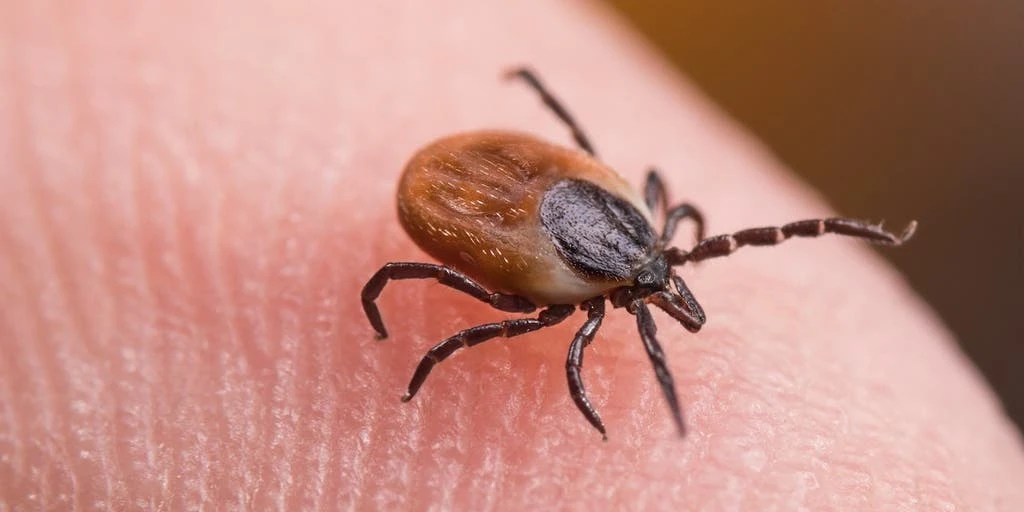
Tick bite-related emergency room visits are at their highest seasonal level since 2017 across most of the United States, according to new data from the CDC's Tick Bite Tracker.
For every 100,000 ER visits in April 2026, roughly 71 were tick-related, more than double the historical seasonal average of about 30 per 100,000.
Children under 10 and adults 70 to 79 are among the most affected.
Dr. Steven Goldberg of UofLHealth warns that the blacklegged tick's geographic range has expanded significantly over the last three decades, driving a tenfold increase in Ohio's Lyme disease cases alone. The lone star tick is also moving north from its traditional Southeast stronghold, bringing diseases like ehrlichiosis and alpha-gal syndrome to new regions.
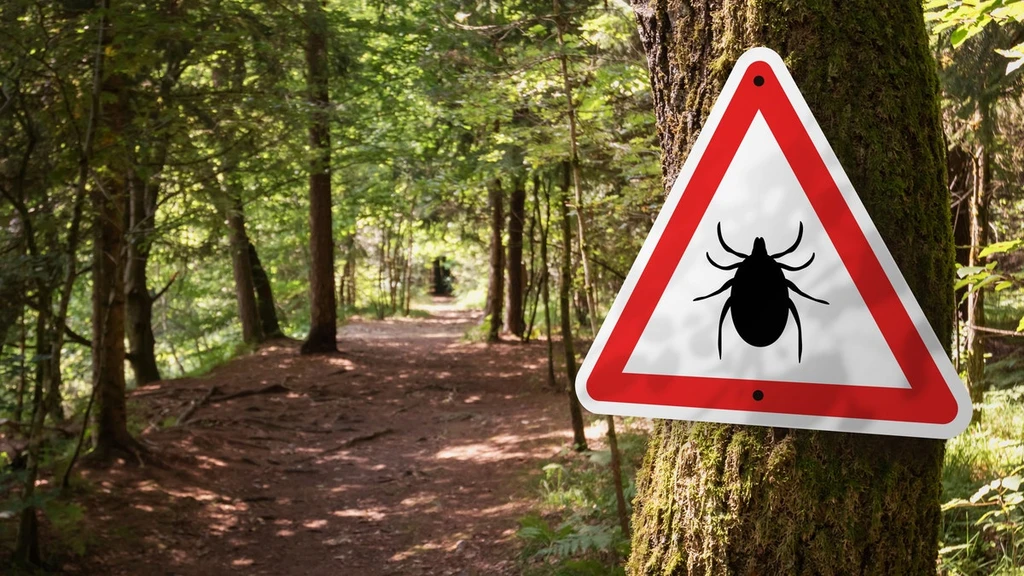
Warmer, wetter conditions and milder winters are enabling ticks to survive in habitats once too cold. Experts say climate change, increased land development, and the expanding white-tailed deer population are accelerating the spread.
Tick-borne diseases include Lyme, anaplasmosis, ehrlichiosis, babesiosis, and the more dangerous Powassan virus, which can be transmitted within minutes and has a fatality rate of 10-15%.

Common symptoms include fever, chills, fatigue, aches, and the classic bullseye rash. With no available vaccine in the US, prevention is critical: use EPA-approved repellents, wear light-colored clothing, shower within two hours of being outdoors, and check for ticks thoroughly.