A Dyson Global Dust Study revealed detectable dust mite allergens in 84% of American bedrooms, despite common cleaning practices. Beyond visible surfaces, five specific areas harbor significant dust.
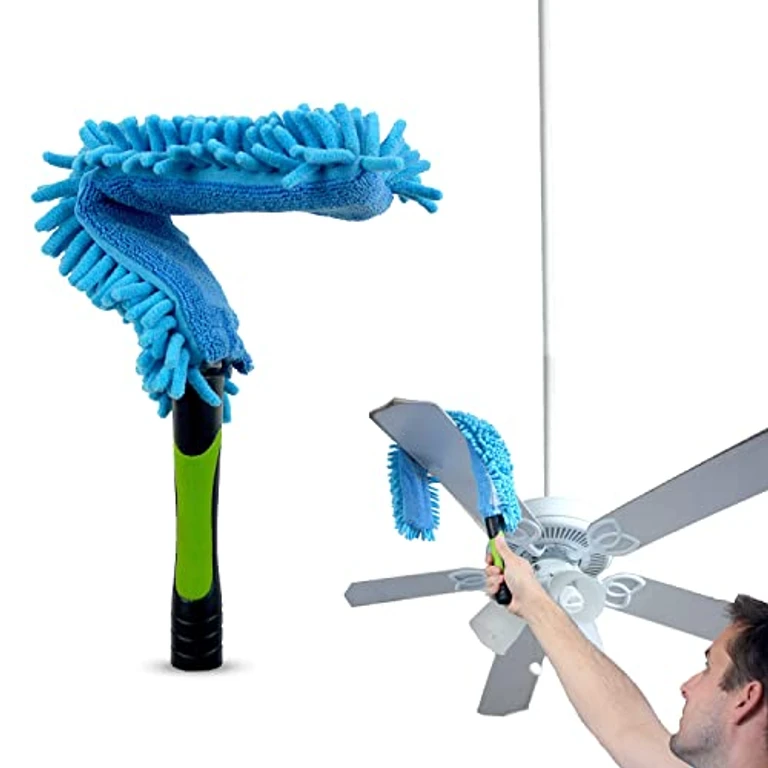
Dust accumulates on ceiling fan blades, dispersing into the air when the fan is active. A flexible microfiber duster, extending to 4.5 feet, can clean both sides of each blade in one pass. This tool traps dust effectively and is machine-washable, recommended for monthly cleaning.
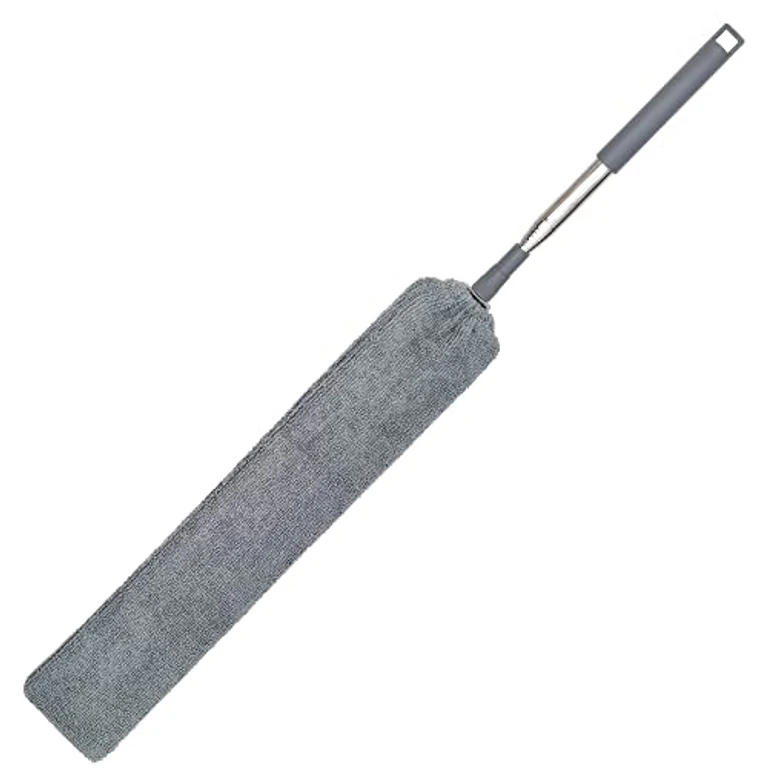
Gaps between bed frames and walls, behind nightstands, and under dressers create undisturbed, dust-rich environments. A retractable gap duster, sliding into spaces as narrow as 0.3 inches and extending up to 55 inches, captures dust and pet hair using electrostatic microfiber. This is advised as a monthly task.
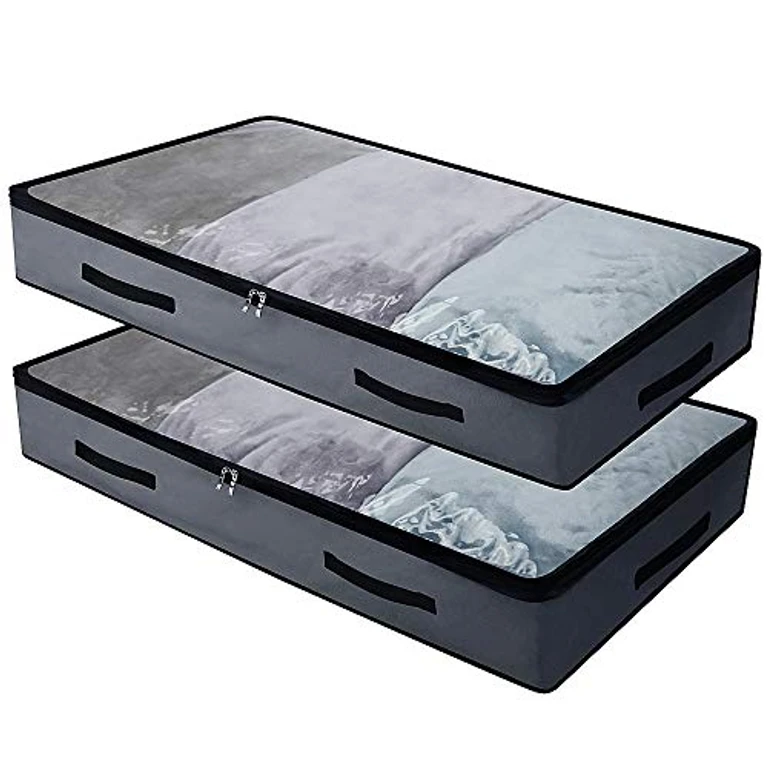
Items stored under the bed, such as shoes and boxes, create an uncleanable surface where dust and dead skin cells accumulate. Air currents can then push this dust towards mattress level. Removing items and vacuuming thoroughly, followed by using enclosed, dust-proof under-bed storage bags, makes the area cleanable. These bags should be aired out and vacuumed monthly.
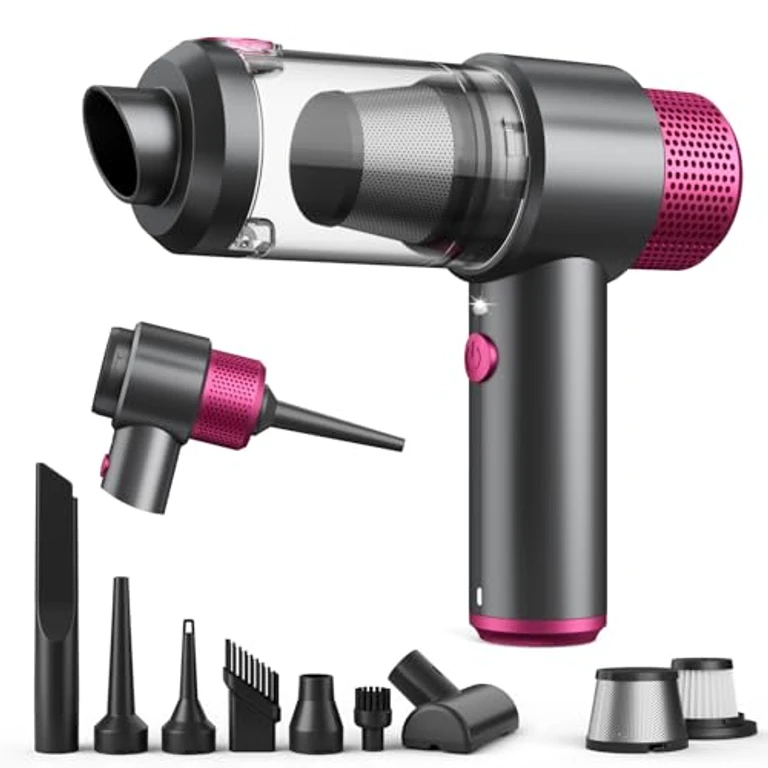
Nightstands, often cluttered with various items, develop crevices where dust and dead skin cells settle, remaining close to your face during sleep. Minimizing items on the nightstand and using a mini vacuum cleaner with a detailing attachment can effectively clean these small spaces. This detailed cleaning is recommended weekly or bi-weekly.
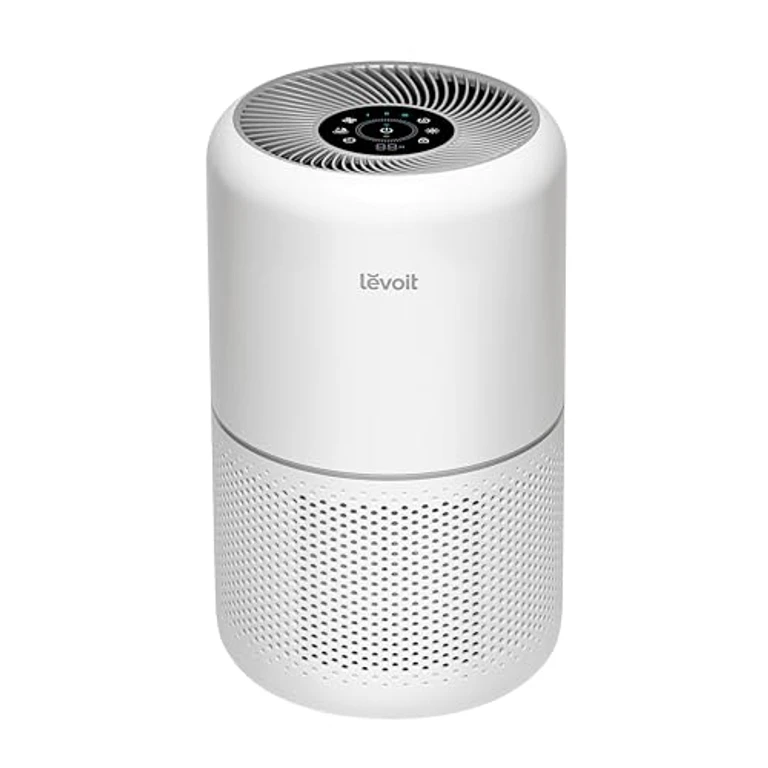
Airborne dust mite waste, pollen, and pet dander recirculate in bedrooms, especially when ventilation is limited. A HEPA air purifier, such as the LEVOIT Core 300S-P, captures 99.97% of airborne particles. Running it 24/7, with a quiet sleep mode and smart auto adjustment, can significantly improve air quality. Filter replacement is recommended every 6-8 months.