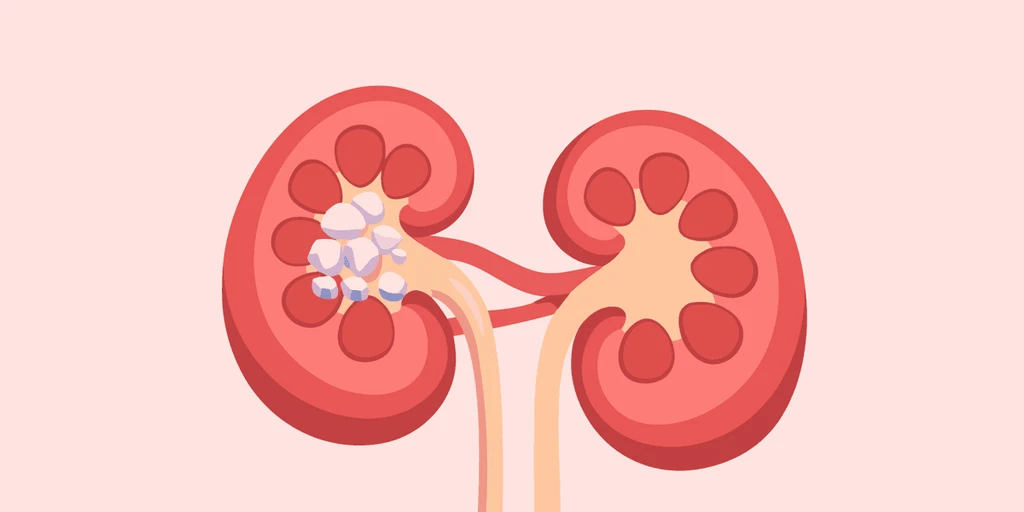
Primary Hyperoxaluria (PH) is a rare genetic disorder where the body produces excessive oxalate. This buildup can lead to kidney stones and, consequently, kidney failure.
There are three types of PH: PH1, PH2, and PH3. Treatment aims to prevent oxalate accumulation.
For PH1, high-dose Vitamin B6 (pyridoxine) can help reduce oxalate levels in about 30% of patients. Prescription medications like lumasiran and nedosiran, administered via subcutaneous injection, are also available to lower oxalate levels.
General management strategies include consuming ample fluids to flush out oxalate and taking citrate or bicarbonate salts to reduce urine acidity, thereby lowering the risk of kidney stones.
Patients are advised to avoid excessive Vitamin C intake, as it can increase oxalate. Foods high in oxalate, such as nuts, chocolate, sweet potatoes, and spinach, should be consumed cautiously, ideally with calcium-rich foods to bind oxalate and prevent kidney stone formation.
Treatment efficacy varies based on overall health and disease severity. Consulting a healthcare provider is crucial for personalized treatment plans.