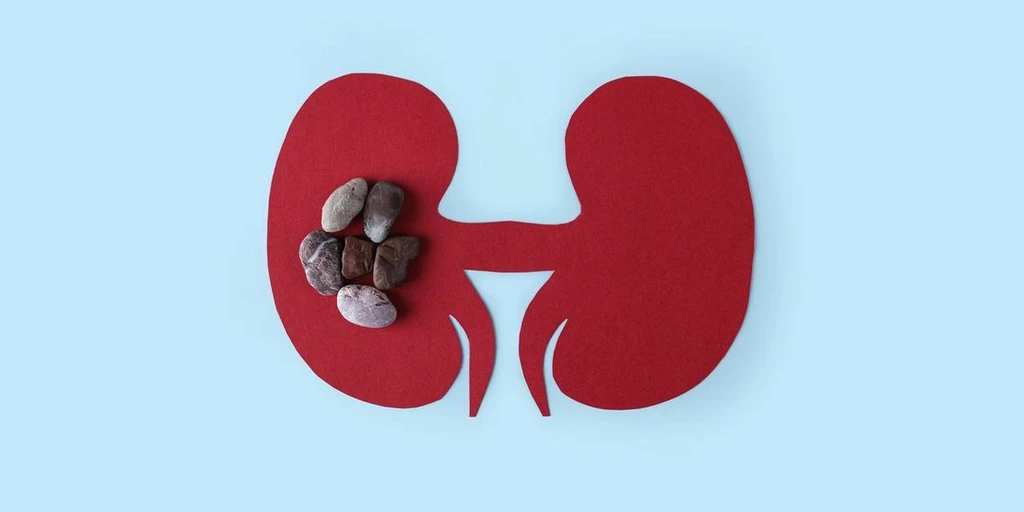
Kidney stones, though small, can cause intense pain by blocking the ureter, the tube carrying urine from the kidney to the bladder.
These stones form when excess minerals and salts in urine, lacking sufficient water for dissolution, aggregate. Common culprits include calcium, oxalate, uric acid, cystine, and phosphate.
Causes are multifaceted, encompassing diet (low fluid intake, high salt/animal protein, sugary drinks, oxalate-rich foods like spinach and chocolate), certain medications (high-dose Vitamin C, calcium supplements, some migraine or HIV drugs), health conditions (obesity, gout, inflammatory bowel disease, UTIs), and genetics.
There are four primary types: Calcium stones (most common, often calcium oxalate), Uric acid stones (linked to acidic urine, gout, high purine diets), Struvite stones (infection-related, can grow large), and Cystine stones (a rare genetic disorder).
Symptoms typically appear as stones move into the ureter, marked by sudden, severe pain in the side/back, radiating to the lower stomach/groin, and burning during urination. Other signs include discolored urine, frequent urination urges, nausea, vomiting, and fever/chills.
While most stones pass naturally, complications like urine blockage or infection can arise. Recurrent stones may increase the risk of chronic kidney disease.
Treatment options range from medication to aid passage and manage pain, to procedures for larger stones. These include shockwave lithotripsy to break stones, ureteroscopy with lasers to remove fragments, percutaneous nephrolithotomy for large stones via back incision, and rarely, laparoscopic or open surgery.