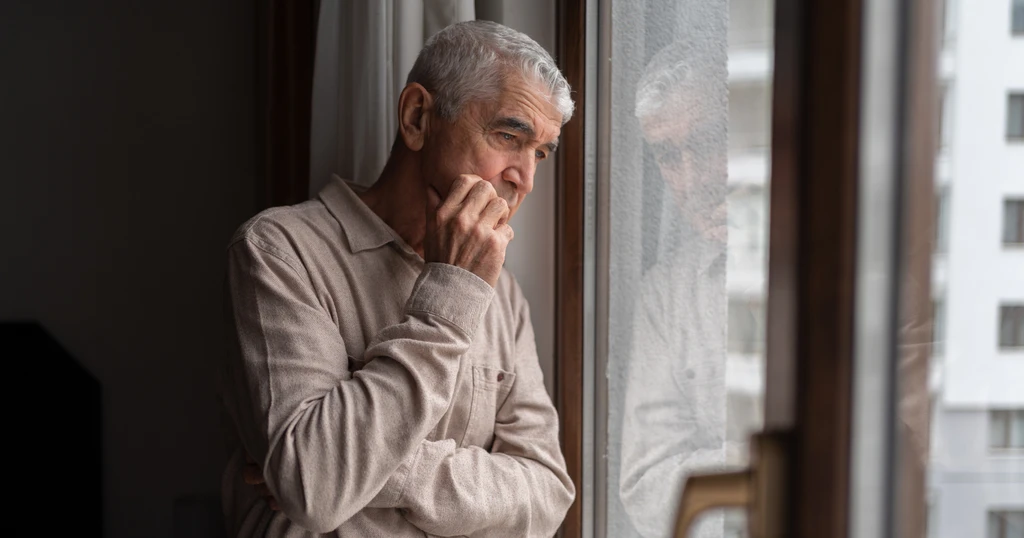
I sit alone in my kitchen at 5:30 AM, a routine unchanged for forty years. My coffee maker gurgles, my knees crack as I stand, and outside it's still dark. No job site awaits me anymore. Just me, the newspaper, and the quiet of retirement.
My father taught me one thing about emotions: don't have them. If you do, swallow them down with beer and get back to work. That was the emotional education for men in 1958.
Growing up, we learned about carburetors, baseball, and knots-but not feelings. Emotions were women's territory. My father worked as a pipefitter for forty-three years. I saw him cry once-when his brother died-and even then, he excused himself to the garage before returning like nothing happened. This was the template: stuff it down, walk it off, get back to work.
This approach had consequences. My knees are destroyed from years of kneeling on concrete and climbing ladders. A friend ignored chest pains for three months before having a triple bypass. We treated our bodies like work trucks-run hard, ignore warning lights, keep going until something breaks.
It wasn't just physical tolls. I missed my son Danny's high school graduation rehearsal for an emergency call-out. Twenty years later, I still see his face when I got home that night. Did we ever talk about it? No. I figured providing for the family was enough. Turns out kids need more than a roof and three meals.
Retirement hits differently when work was your whole identity. For forty years, I was Tommy the electrician. Now I'm just Tommy, sitting in my kitchen, wondering what to do with myself. Without work holding us together, friendships drifted apart.
Learning to speak about feelings at sixty-six is challenging. Therapy felt awkward at first, but admitting I felt lost was a start. Recently, I called my son just to talk-not about anything specific, but to hear his voice. He seemed surprised but pleased. We talked for an hour. About nothing. About everything. It was good.
Many men of my generation were taught to be providers, not partners. Workers, not whole people. Strong and silent instead of strong and connected. Now we're paying for it with aching bodies, empty phones, and the realization that maybe we had it backwards all along.
It's not too late to learn a different way. Even if your knees hurt and your kids are grown, it's never too late to stop adding bricks to those walls and start rebuilding connections.