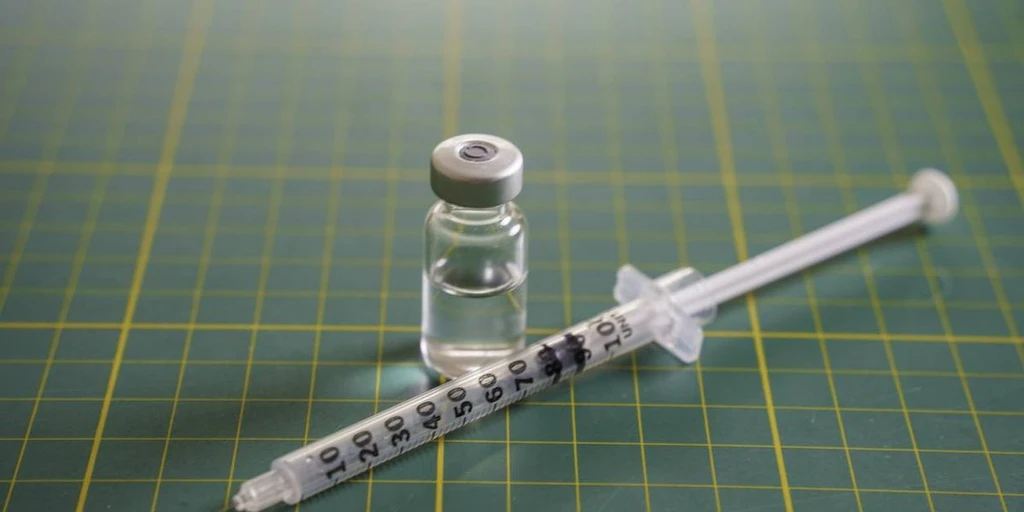
GLP-1 medications are widely discussed online, often targeting women with claims of significant health benefits. While some GLP-1 drugs offer proven advantages, not all are created equal, and online information can be misleading.
FDA-approved GLP-1s, like Ozempic and Wegovy, are rigorously tested for safety, quality, and effectiveness. In contrast, compounded GLP-1s are made in compounding pharmacies and are not subject to the same FDA regulation.
Compounding serves a specific purpose for patients with allergies or swallowing difficulties, or to address drug shortages. However, the FDA has ordered an end to mass-compounded GLP-1 drugs.
Despite this, some companies continue to produce compounded versions, often altering delivery methods or adding unproven ingredients. These products risk containing incorrect dosages, no active ingredients, or even being counterfeit. Consumers should be aware of potential dosing errors and adverse reactions.
To be a smart consumer, always consult a healthcare provider before starting any new medication. Verify that compounding pharmacies are licensed, have a physical U.S. presence, and a licensed pharmacist available. Inquire about added ingredients like B12 and glycine, as their benefits in GLP-1s are not scientifically supported. Be wary of non-FDA-approved forms like gummies or sprays, and research ingredients like semaglutide sodium and acetate. Avoid products with unrealistic claims, misleading testimonials, or AI-generated content. Report any suspicious products or side effects to the FDA.
Choosing FDA-approved medications when possible is crucial for ensuring safe and effective treatment.