A new Netflix documentary, 'The Plastic Detox,' follows six couples with unexplained infertility as they attempt to eliminate plastic from their lives to improve their chances of having a baby.
Their guide is epidemiologist Shanna Swan, a professor at Mount Sinai's Icahn School of Medicine, who has spent decades studying environmental chemicals' effects on reproductive health. Over a three-month intervention, she inventories plastic sources and measures chemical concentrations in participants' urine and sperm counts.
The premise is appealing, but Dr. Swan acknowledges it's not a formal scientific study. There is no control group, the sample is small, and it's unclear if such reductions can boost an individual adult's fertility.
Experts stress the primary reproductive health concern is not microplastics but plasticizers-chemicals like bisphenols and phthalates. These endocrine disruptors interfere with hormones and are linked to infertility, cardiovascular disease, and neurodevelopmental disorders.
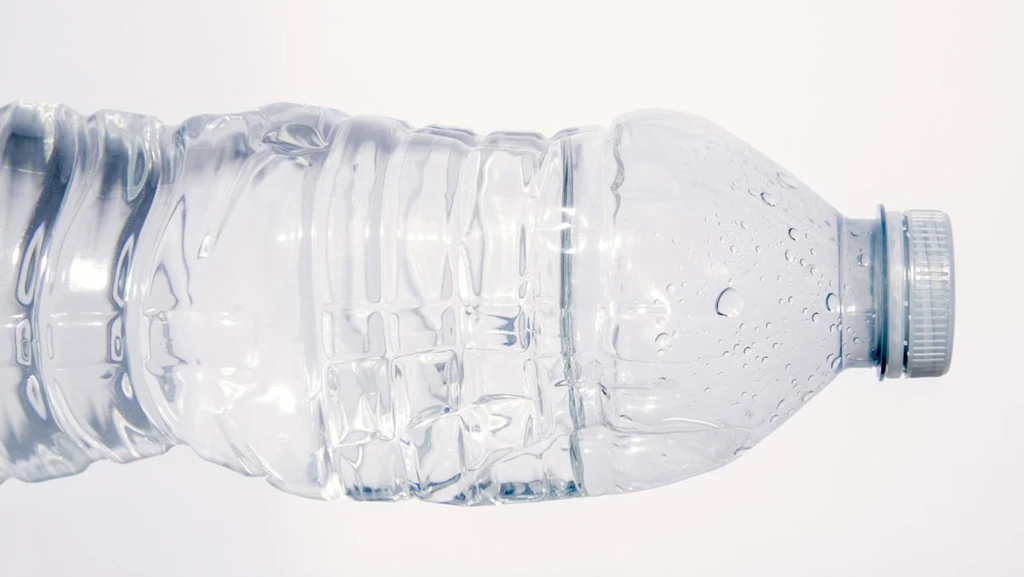
While eliminating plastic entirely is likely impossible, reducing exposure is feasible. Key strategies include buying fresh food to avoid packaging phthalates, heating food in glass or ceramic instead of plastic, drinking tap water over bottled, and avoiding products listing 'fragrance,' which can signal phthalates.
Broad change requires policy action, similar to the removal of lead from gasoline and paint, experts note. A large randomized trial is needed for definitive answers. Three couples in the film had babies, but cause and effect cannot be ascribed from this small, uncontrolled intervention.