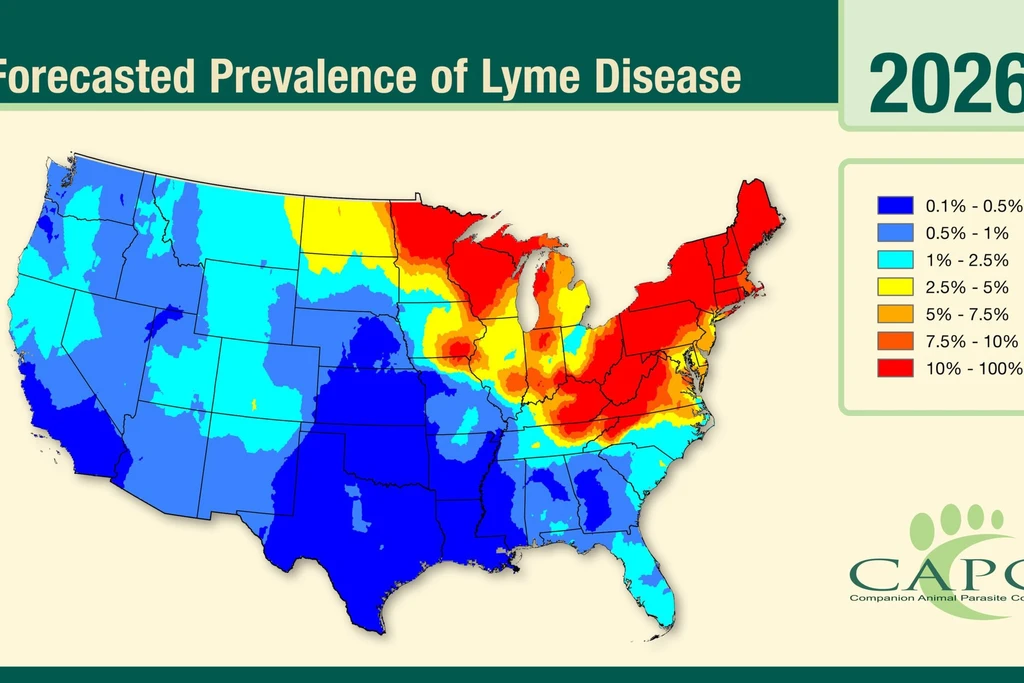
Tick season is here, and experts are warning it could be the worst in a decade. The CDC reports that during the fourth week of April, about 114 out of every 100,000 emergency department visits nationwide were for tick bites - the highest rate for this point in the year since at least 2017.
While the South Central U.S. remains a partial exception, every other region is seeing tick-bite ER visits above historic averages, with the Northeast recording the highest levels so far in 2026. The agency estimates roughly 476,000 Americans are treated annually for Lyme disease, the most common tick-borne illness.
Dr. Alison Hinckley, CDC epidemiologist, said: "Tick season is here and these tiny biters can make you seriously sick. Now is the time for people to take steps to protect themselves."
Milder winters and shorter shoulder seasons are allowing more ticks to survive year-round. Dr. Jim Fredericks of the National Pest Management Association noted that snow cover, rather than killing ticks, acts as an insulating blanket. Dr. Kathryn Reif of Auburn University added that the "acorn effect" - years of heavy acorn production - boosts populations of deer, mice, and squirrels, creating more hosts for ticks and increasing disease transmission.
Tick-borne diseases are expanding geographically. Beyond Lyme, diseases like ehrlichiosis, anaplasmosis, Rocky Mountain spotted fever, babesiosis, and tularemia are spreading to new areas. The Companion Animal Parasite Council forecasts rising prevalence in dogs for 2026.
Prevention remains critical: use insect repellent, cover skin, perform full tick checks after outdoor activity, and consult pest-control specialists and veterinarians for property and pet protection.