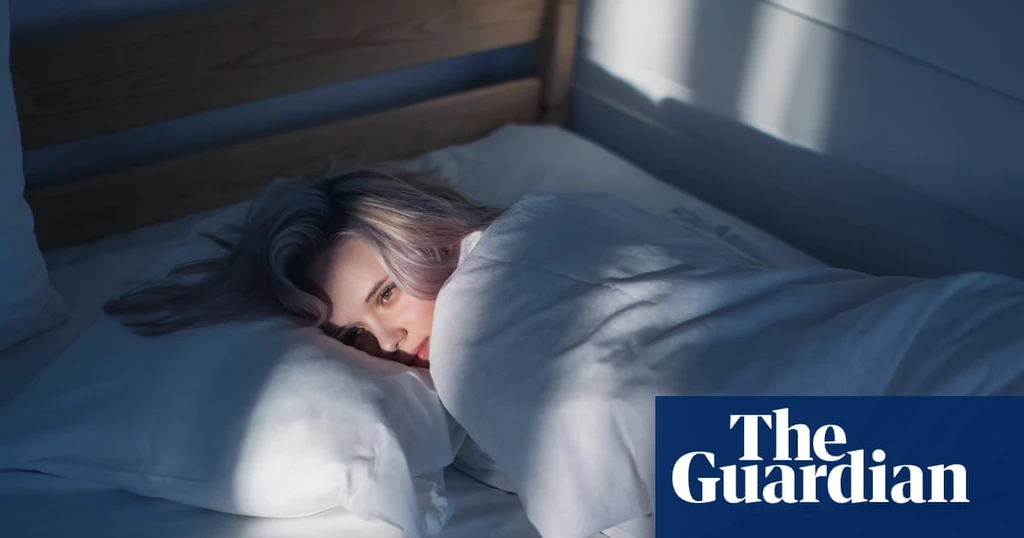
A new study from the University of Minnesota School of Public Health shows today's teenagers are sleeping less than ever before. The findings, published in Pediatrics, reveal a consistent decline across all age groups, with only 22% of older adolescents getting at least seven hours of sleep per night.
Lead author Rachel Widome points to persistent barriers like homework, social pressures, and jobs-but also new threats: ever-present screens and social media, plus recent societal stressors such as the pandemic and social unrest.
The study reports growing gaps in sleep outcomes. Black and Latino teens, along with those whose parents have lower education levels, are increasingly less likely to get adequate rest compared with peers.
Researchers analyzed data from the Monitoring the Future survey, representing more than 400,000 US students in grades 8, 10, and 12 from 1991 through 2023. Participants reported how often they slept at least seven hours and how often they felt they got enough rest.
Insufficient sleep contributes to daily exhaustion and impaired functioning, and is linked to mental health problems, academic struggles, and chronic illness later in life.
While screen time is an obvious factor, recent research from the Aim Ideas Lab found that about two-thirds of California teens reported burnout and anxiety. Executive Director Jolie Delja says students feel “relentless academic pressure” and are asking for time to slow down and practice coping skills.
Experts suggest delaying high school start times to 8:30 a.m. or later, noting that early start times conflict with adolescent circadian rhythms. Widome urges a cultural shift: “We should embrace a culture of sleep, where sleep is actually valued.”