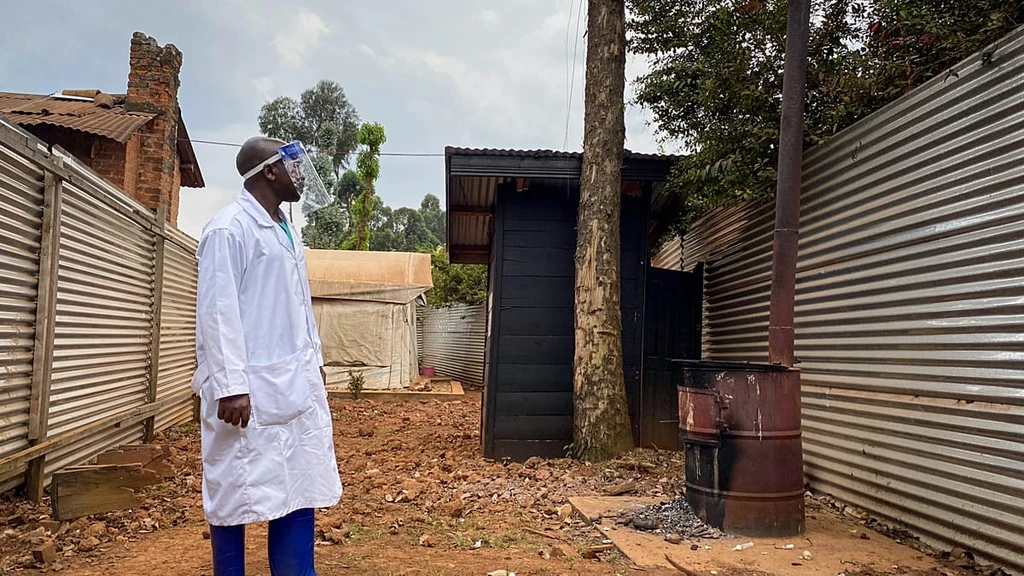
Africa’s top public health authorities have confirmed a new Ebola outbreak in Congo, with 65 deaths and 246 suspected cases reported by the Africa Centres for Disease Control and Prevention on Friday.
The suspected cases are concentrated in Ituri’s Mongwalu and Rwampara health zones, with some in Bunia, the provincial capital. Ituri is a remote eastern region with poor roads, over 1,000 kilometers from Kinshasa. Only four deaths are lab-confirmed, but the outbreak is confirmed by numerous suspected cases.
Authorities are worried about further spread due to proximity to Uganda and South Sudan, intense population movement from mining, and security crises from armed group attacks that have killed dozens and displaced thousands. Contact tracing gaps also raise concern.
Ebola was first discovered in 1976 near the Ebola River in Congo. The virus transmits from wild animals to humans via direct contact with bodily fluids of infected people or contaminated surfaces. Symptoms include fever, fatigue, headache, muscle pain, sore throat, vomiting, and diarrhea. Severe cases can lead to bleeding, multi-organ failure, and death. The average case fatality rate is 50%, ranging from 25% to 90% in past outbreaks.
Vaccines are available for some Ebola viruses, using ring vaccination strategies, but access in Congo is hindered by structural barriers and funding gaps. During the last outbreak, vaccine delivery faced delays due to poor roads and long distances.
This is Congo’s 17th Ebola outbreak since 1976. The last outbreak ended in December with 43 deaths, while an outbreak from 2018 to 2020 killed over 1,000 people. The 2014-2016 West Africa outbreak killed over 11,000.
Control relies on non-pharmaceutical interventions: active case finding, isolation, contact tracing, safe burials, community engagement, clinical care, laboratory services, infection prevention, and vaccination when possible.