At the 79th World Health Assembly in Geneva, WHO experts said Monday that even the most promising candidate vaccine for the Bundibugyo virus-the strain behind the ongoing Ebola outbreak in the Democratic Republic of the Congo and Uganda-is likely months away from clinical trials.
Instead, they urged a scaled-up, coordinated response to help affected communities identify and care for suspected cases.
Dr. Tedros Adhanom Ghebreyesus, WHO Director-General, said case numbers are expected to rise further, given the virus had been spreading undetected for some time. Confirmed infections in the DRC now stand at 51, with nearly 600 suspected cases and 179 suspected deaths.
Dr. Vasee Moorthy, WHO acting lead for research and development, described the most advanced candidate as an rVSV Bundibugyo vaccine-the equivalent of Ervebo, which is licensed for the more common Zaire Ebola strain. However, he noted no doses are currently available for trials, and production could take six to nine months.
A second candidate, built on the same platform used in the AstraZeneca COVID-19 vaccine, could be ready for clinical testing in two to three months, but Dr. Moorthy acknowledged significant uncertainty.
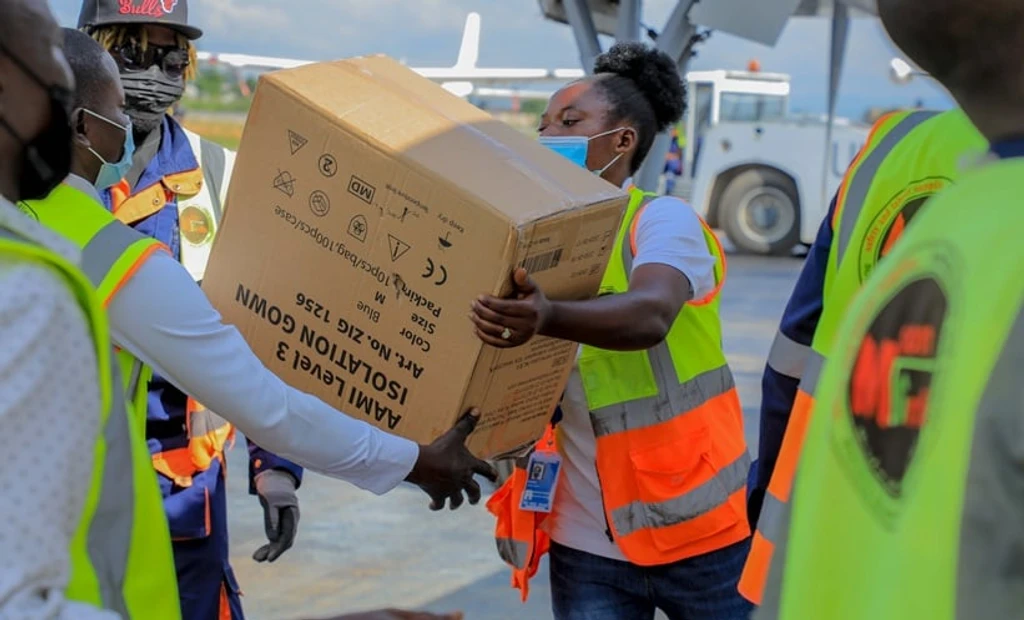
For now, WHO experts are prioritizing collaboration with national institutions and local communities to set up optimized treatment centers and patient referral pathways. Anaïs Legand, WHO technical officer for high-threat pathogens, said, "Our priority is to ensure every suspected case can be detected early and cared for."
According to the Emergency Committee, national and regional risk remains high, but global risk is low.