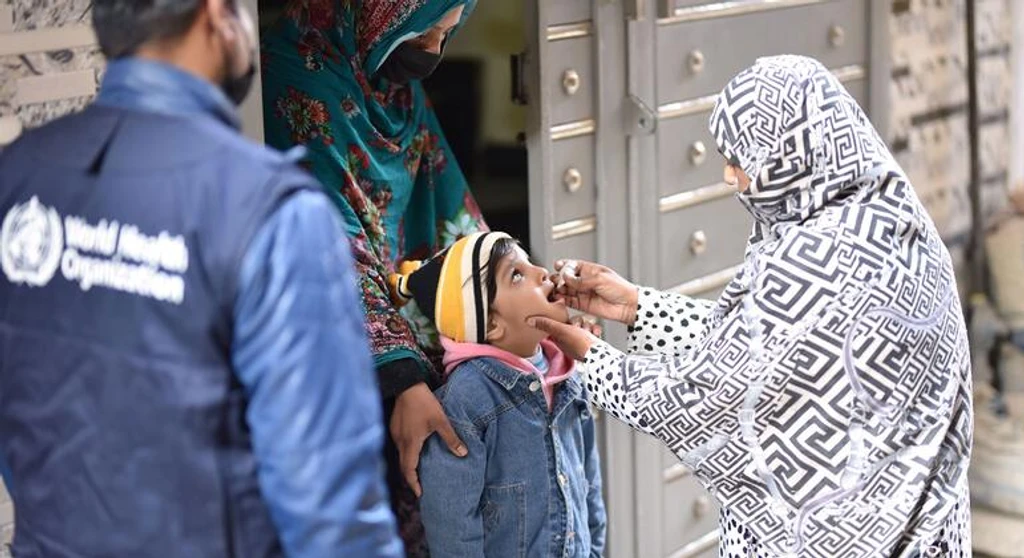
The World Health Organization's (WHO) Results Report 2025 reveals billions of people benefited from improved health services and protections, even as funding cuts and restructuring impacted delivery. Director-General Tedros Adhanom Ghebreyesus stated that while tangible benefits were achieved, these gains are not guaranteed.
The report, preceding the World Health Assembly, highlights progress in expanding essential health services, strengthening emergency preparedness, and enhancing overall wellbeing. However, approximately half of the WHO's output targets were missed, and the world is off track to meet the 2030 Sustainable Development Goals for health.
Despite not achieving its 'Triple Billion' goals, which aimed for one billion more people benefiting in each of three key areas, substantial gains were recorded. In 2025, an estimated 567 million additional people gained access to essential health services, a 136 million increase from 2024. Additionally, 698 million more people were better protected from health emergencies, up 61 million from the previous year. Healthier lives were reported by 1.75 billion additional people, a jump of 300 million since 2024.
Progress in emergency preparedness was bolstered by the new Pandemic Agreement and revised International Health Regulations. WHO responded to 66 emergencies in 88 countries in 2025. Mental health and psychosocial support systems saw increased country coverage, rising from 28% to 48%. HPV vaccine coverage also climbed to 31% by 2024.
However, reduced staffing, limited technical support, and slower program implementation resulted from funding constraints. A large portion of WHO's budget is also earmarked for specific areas, limiting strategic flexibility. These findings will be presented at the 79th World Health Assembly in Geneva.