
Women aged 50 to 63-the Gen X cohort-are confronting a silent, multifaceted crisis. Hormonal transition, caregiving for aging parents and adult children, workplace ageism, redundancy, and chronic health diagnoses converge with little institutional support.
A British Association for Counselling and Psychotherapy (BACP) survey found two-thirds of women over 50 struggle with mental health-and 90% sought no help. Suicide risk peaks between ages 45-54, coinciding with perimenopause.

Medical training routinely misreads menopausal symptoms-fatigue, anxiety, low mood-as psychological rather than physiological. Professor Pooja Saini’s research with the Newson Clinic found one in six perimenopausal or menopausal women experience untreated suicidal ideation.
Access remains a barrier: NHS therapy wait times stretch up to five months; private sessions cost £50-£100. GP education on HRT and hormonal psychiatry is critically underdeveloped.

Therapist Stella Duffy calls it “mid-adulthood”-not midlife-a period when society devalues women post-fertility. Writer Susannah Conway reframes it as a reckoning: not decline, but self-reclamation. Her digital community Unravelling Midlife closed after 200 sign-ups-proof of urgent, unmet demand.
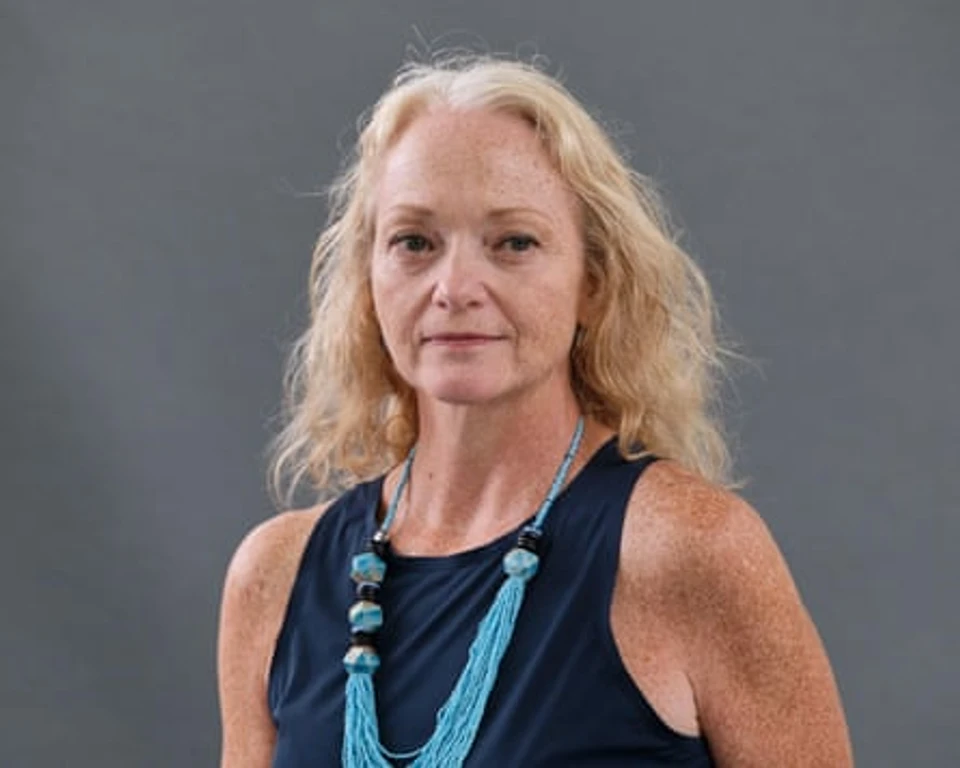
Advertising reduces this cohort to white-haired clichés-even as Jennifer Lopez, Kate Moss, and Victoria Beckham redefine visibility in their 50s. As Conway says: “I turned 53 last week. I’m getting another tattoo. It’s not about how I look-it’s about how I feel.”