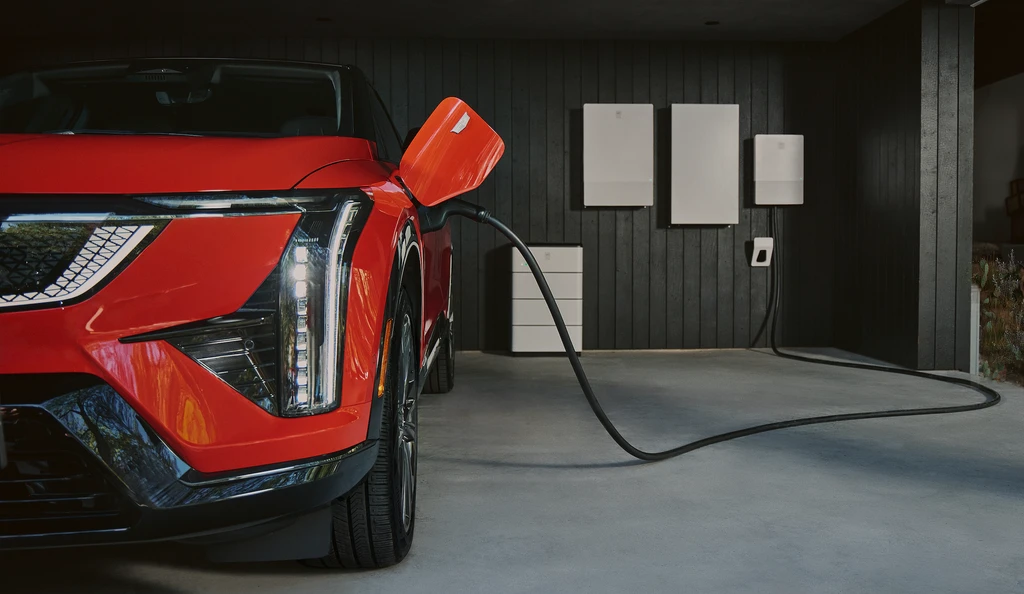
General Motors is pivoting from pure automotive manufacturing to active grid management. At a recent San Francisco briefing, the automaker announced that its GM Energy division now supports vehicle-to-grid (V2G) technology, allowing electric vehicles to feed power back into the electrical network. This move addresses surging energy demands driven by AI data centers and aims to stabilize infrastructure rather than drain it.
Currently, over 250,000 GM EVs on the road possess bidirectional charging capabilities. To activate V2G, owners require specific wall boxes and utility integration. GM has launched pilot programs with major utilities, including PG&E in California and DTE Energy in Michigan. The goal is ambitious: by 2030, PG&E and GM target 52,000 connected vehicles in Northern California, a capacity sufficient to power every home in San Francisco for half a day.
"Our grid desperately needs EVs, particularly bi-directional EVs that we can optimize," stated PG&E CEO Patty Poppe. She noted that every gigawatt added to the grid could lower consumer rates by one percent, while AI tools help optimize grid placement and utilization.
Beyond mobile storage, GM addressed stationary needs through a partnership with Peak Energy. They are developing next-generation sodium-ion batteries using sodium pyrophosphate (NFPP) chemistry specifically for Energy Storage Systems (ESS). Unlike lightweight EV traction batteries, these units prioritize longevity and cost-efficiency. Scheduled for production in 2028, the NFPP batteries promise a 20 percent reduction in maintenance costs compared to current solutions. They operate effectively between -40 °C and 60 °C and target 10,000 to 20,000 charge cycles, outperforming standard LFP batteries.
GM is also advancing circular economy initiatives with Redwood Materials. The companies are deploying approximately 100 repurposed GM battery packs at a Michigan facility, generating up to 7.2 MWh of energy. This second-life storage system is projected to save $3 million in utility costs over its lifespan. While interoperability standards like ISO 15118-20 remain a hurdle for widespread V2G adoption, GM’s strategy positions its vehicles and storage units as critical assets in a resilient, decentralized energy future.