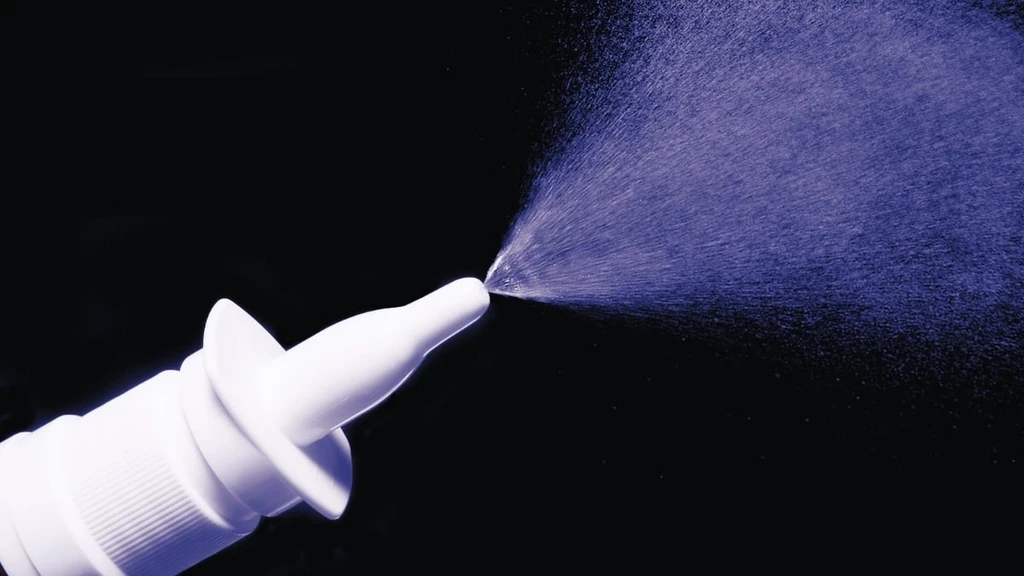
Scientists have developed a nasal spray that reduces brain inflammation and restores lost memory function in mice. Researchers at Texas A&M University believe similar results could be seen in humans with further development.
The spray targets "neuroinflammaging," chronic stress pockets in the aging brain linked to cognitive decline and neurological disorders like Alzheimer's. In mouse models, the spray utilized microscopic biological bubbles called extracellular vesicles (EVs), packed with proteins and genetic instructions from human stem cells.
Mice, aged 18 months (comparable to humans in their late 50s to 60s), received two doses of the spray. Researchers observed less brain inflammation in treated mice compared to controls.
Neuroscientist Ashok Shetty stated that this therapy, delivered via a simple nasal spray, could potentially replace invasive procedures or long-term medications. Treatment outcomes were consistent across both sexes.
The research focused on microglia, the brain's immune cells in the hippocampus, a key region for memory and learning. Stem cell byproducts like EVs are being investigated for therapeutic potential and safety. After treatment, mice outperformed controls in memory tasks, with biochemical analysis confirming reduced brain inflammation.
EVs contain microRNAs that can reset brain cells, reducing oxidative stress and reactivating mitochondria. "We are giving neurons their spark back," said neuroscientist Madhu Leelavathi Narayana.
With dementia cases projected to double in the U.S. by 2060, this study offers a potential new approach to combat age-related neuroinflammation. Human trials are necessary to confirm efficacy for conditions like mild cognitive impairment, but early results are encouraging. The goal is to promote healthy brain aging, keeping individuals engaged and alert.