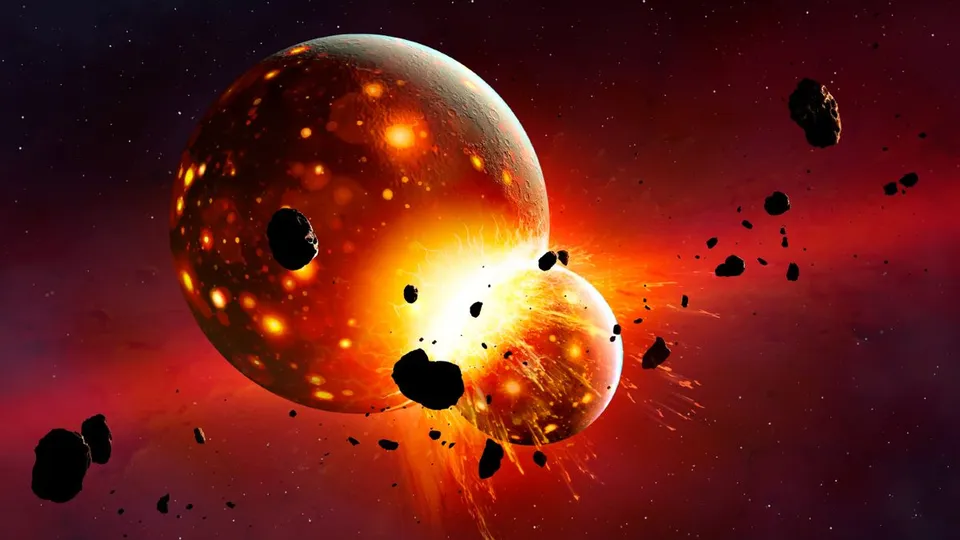
New research proposes Saturn's largest moon, Titan, may not have formed through gradual accretion but rather from the catastrophic collision of two massive moons approximately 400 million years ago. This dramatic event could also resolve long-standing questions about the genesis of Saturn's famous rings.
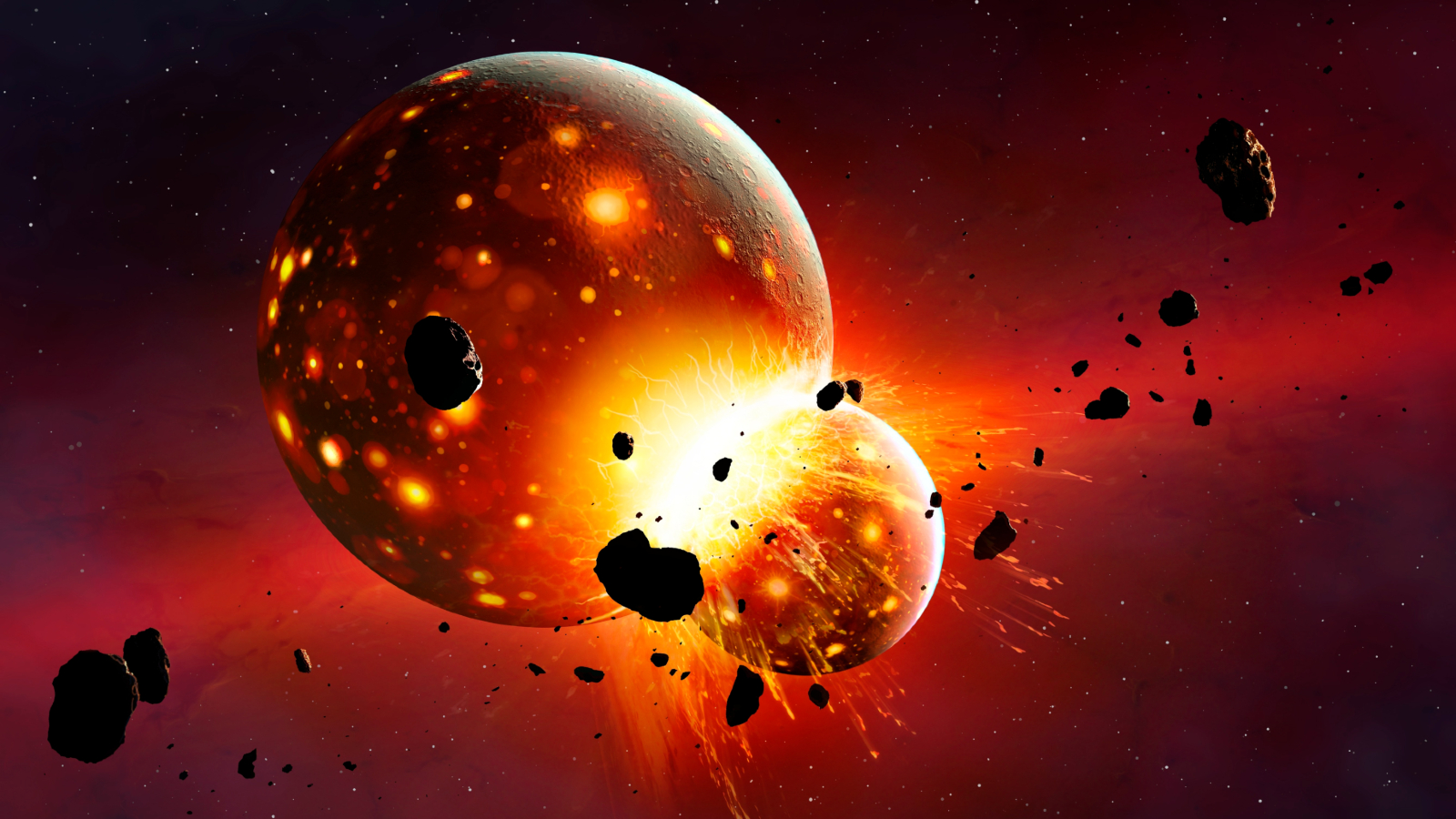
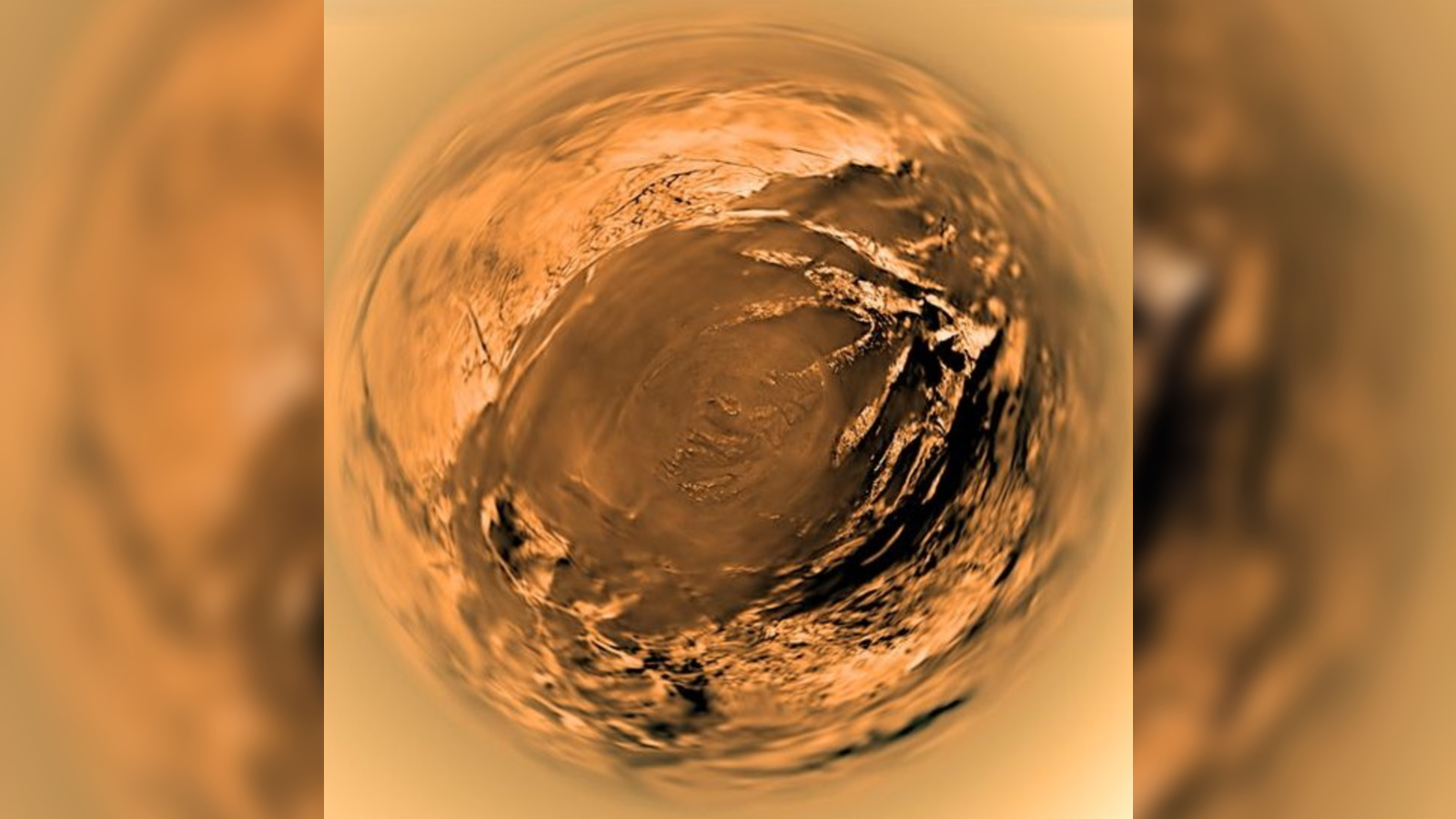
Titan, the second-largest moon in our solar system, is significantly larger than Earth's moon. Previously, scientists believed it formed like most other moons, by the slow gathering of cosmic dust and rock. However, a recent study utilizing data from NASA's Cassini probe suggests a violent origin.
The collision hypothesis posits that this impact not only created Titan but may have also birthed Hyperion, another of Saturn's moons, from the resulting debris. This theory offers a potential explanation for the unusual orbital dynamics observed among several of Saturn's satellites.
Researchers have long suspected a large moon was missing from Saturn's system, potentially ejected by a massive gravitational force that also explains Saturn's tilted orbit. This new study explores the possibility that this moon was not ejected but destroyed in the proposed merger.
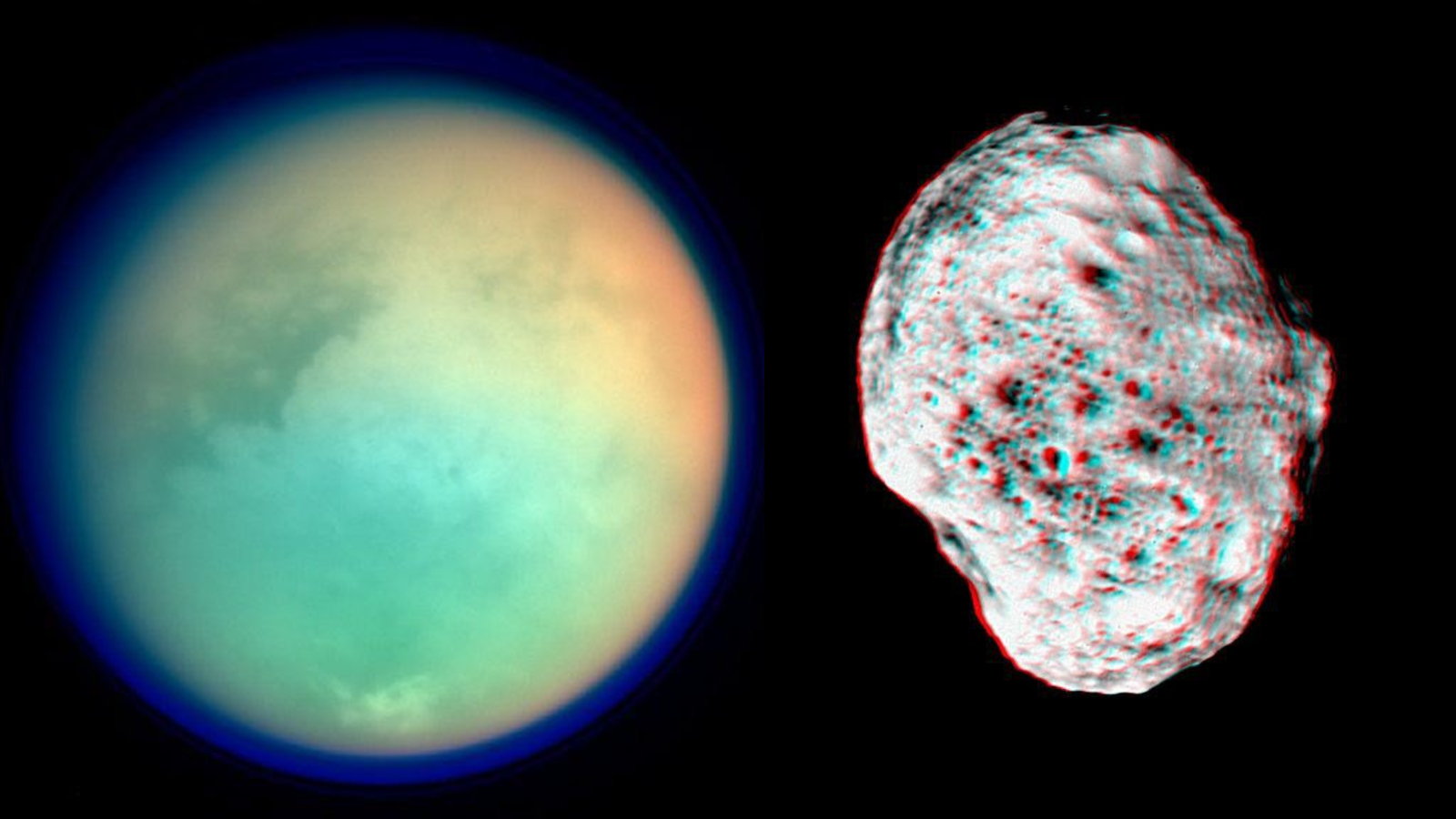
The orbital resonance between Titan and Hyperion, where Hyperion orbits Saturn three times for every four of Titan's orbits, is a key piece of evidence. This resonance is estimated to be only a few hundred million years old, aligning with the timeframe of the suspected lunar collision.
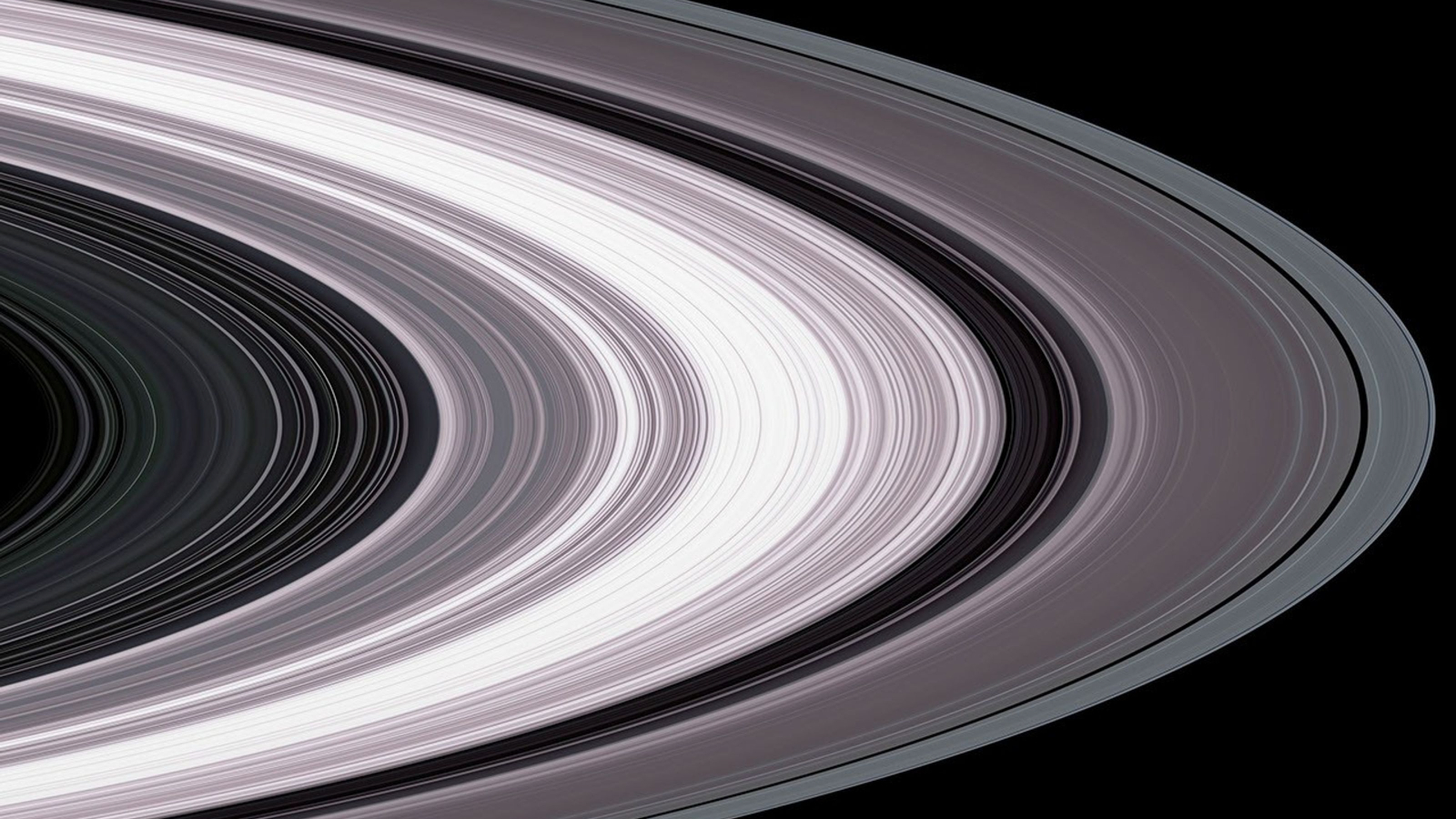
Simulations suggest two "proto-moons" collided, forming Titan and Hyperion from the remnants. This impact could also have created a debris field that eventually coalesced into Saturn's rings about 100 million years ago. The theory might also explain the tilted orbits of moons like Iapetus and Rhea, and Titan's relative lack of impact craters due to its younger, resurfaced nature.
NASA's upcoming Dragonfly mission to Titan, scheduled to launch in 2028, could provide crucial data to either confirm or refute this compelling collision hypothesis.