
The world's smallest QR code, measuring just 1.977 square micrometers, is so minuscule it necessitates an electron microscope for scanning. This innovative matrix barcode, developed by a team of seven scientists, has earned a Guinness World Record.
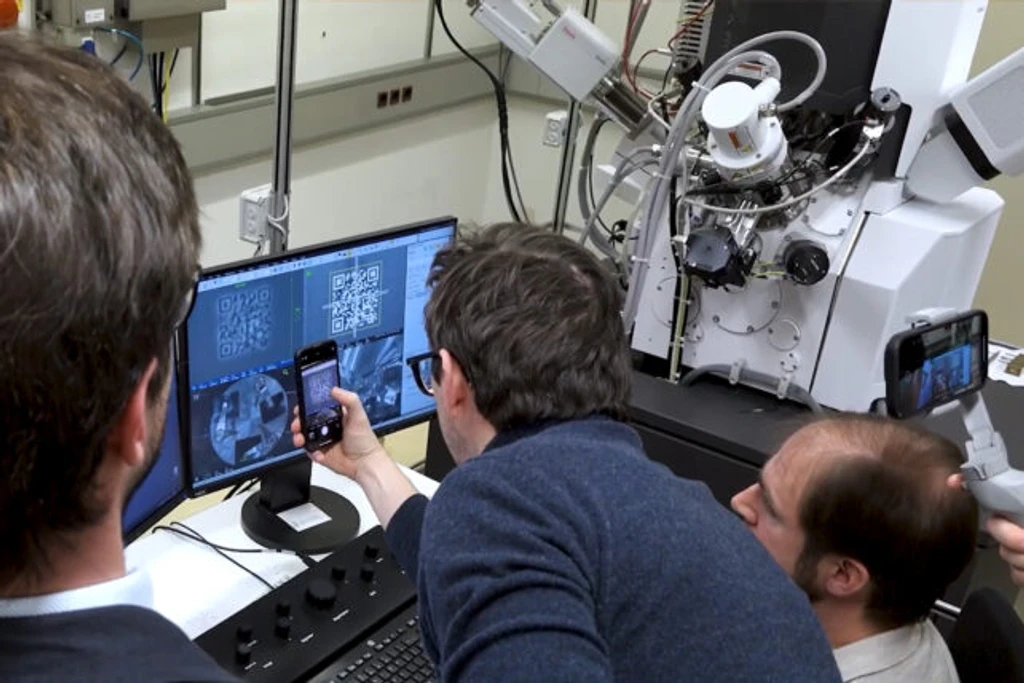
Led by researchers from Vienna University of Technology (TU Wien) and data storage firm Cerabyte, the creation is one-third the size of the previous record holder. Materials scientist Paul Mayrhofer of TU Wien noted that the structure is too fine for optical microscopes. The key to its creation involved printing on a thin ceramic film, a material typically used for high-performance cutting tools. Using focused ion beams, the team etched the code with pixels only 49 nanometers in size-smaller than the wavelength of visible light.
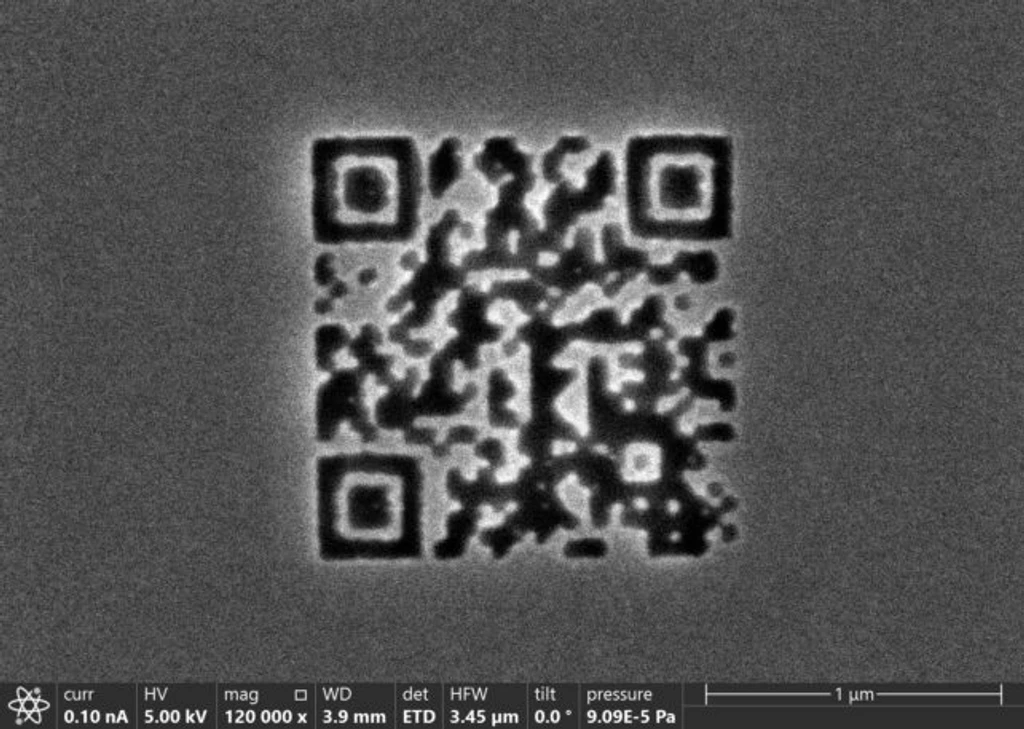
This breakthrough in ceramic data storage aims for extreme durability, akin to ancient inscriptions, ensuring data accessibility for future generations. The researchers estimate that a single A4 sheet using this method could store over 2 terabytes of data, offering a potentially compact solution for data storage challenges.