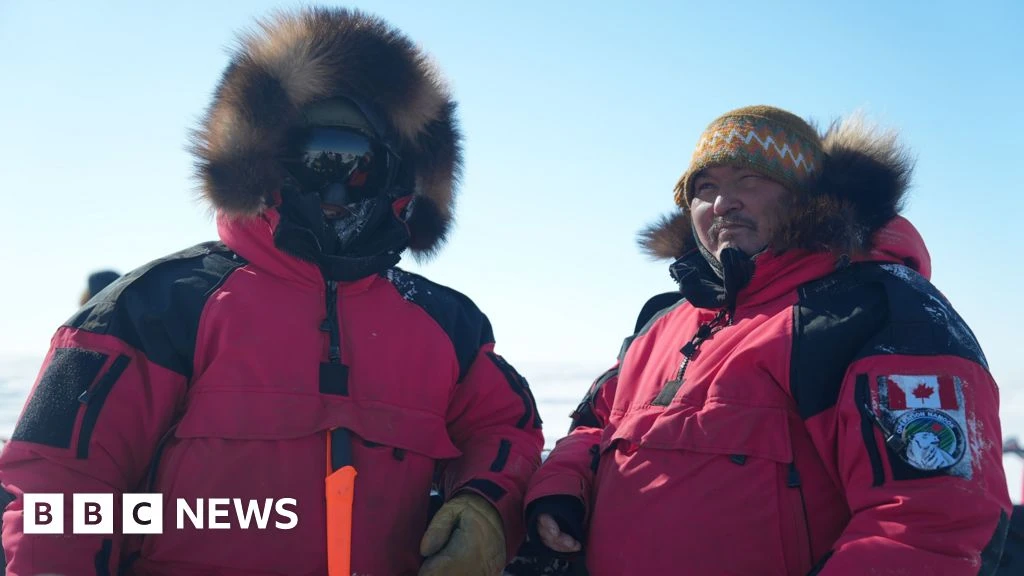
Canada's Arctic is no longer just about extreme cold; it's a critical geopolitical arena. Canadian army reservists recently concluded a 5,200 km patrol, the largest northern mission in Canadian Ranger history. Traversing treacherous ice and enduring temperatures as low as -60C, the operation tested survival and warfare capabilities across 40% of Canada's landmass.
The mission, involving 1,300 personnel and international observers from Greenland, the US, UK, France, and Belgium, underscores a heightened focus on Arctic sovereignty amid warming climates and increased global interest in the region's resources. This comes as geopolitical tensions rise, though Canadian officials state that collaboration with allies remains unaffected.
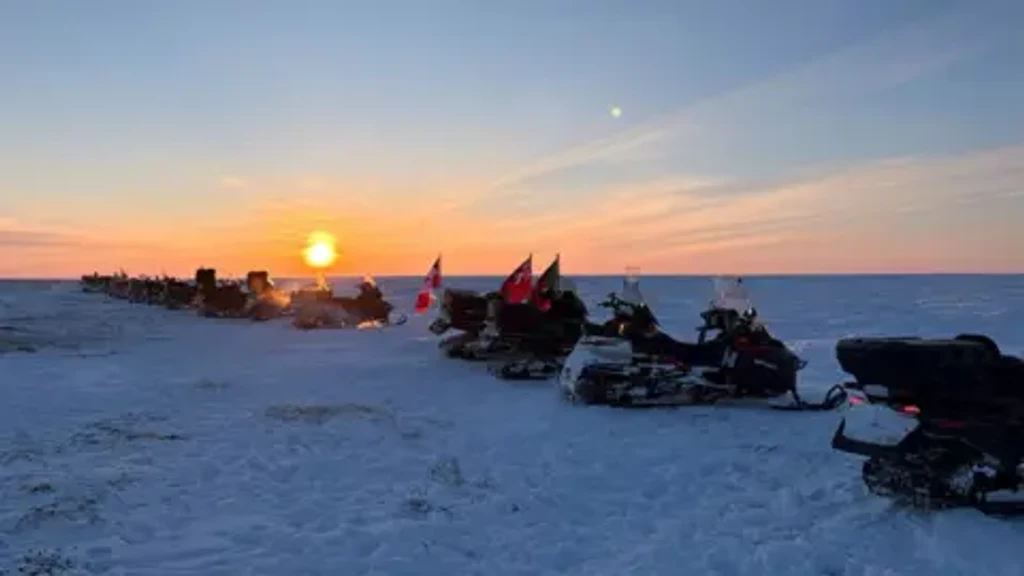
Climate change presents new challenges, with fluctuating ice conditions making travel unpredictable. However, the mission heavily relies on the invaluable knowledge of indigenous Inuit members, whose expertise in navigating the Arctic and surviving its harsh conditions is described as "irreplaceable." Their traditional knowledge and shared "country food" were vital for the patrol's success.
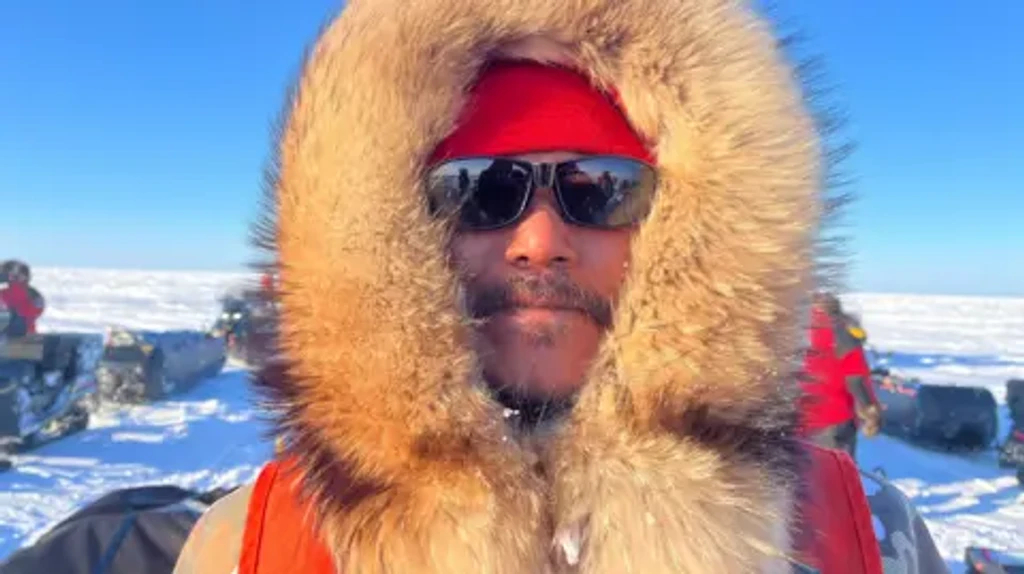
Canada is prioritizing its Arctic security, with significant investment planned for northern military infrastructure and capabilities. Despite minor setbacks like an aborted howitzer exercise due to a blizzard and some food poisoning, the operation is deemed a success, showcasing Canada's growing expertise and readiness for the "worst-case scenario" in the strategically vital Arctic.