
Researchers have discovered a prehistoric cave and hippo bones beneath Pembroke Castle in Wales, a find described as a "once-in-a-lifetime discovery" that could transform the understanding of ancient life in Britain.
The site, known as Wogan Cavern, is accessed via a spiral staircase from the 11th-century castle. Excavations have already uncovered evidence of early humans and extinct hippos that roamed Wales approximately 120,000 years ago.
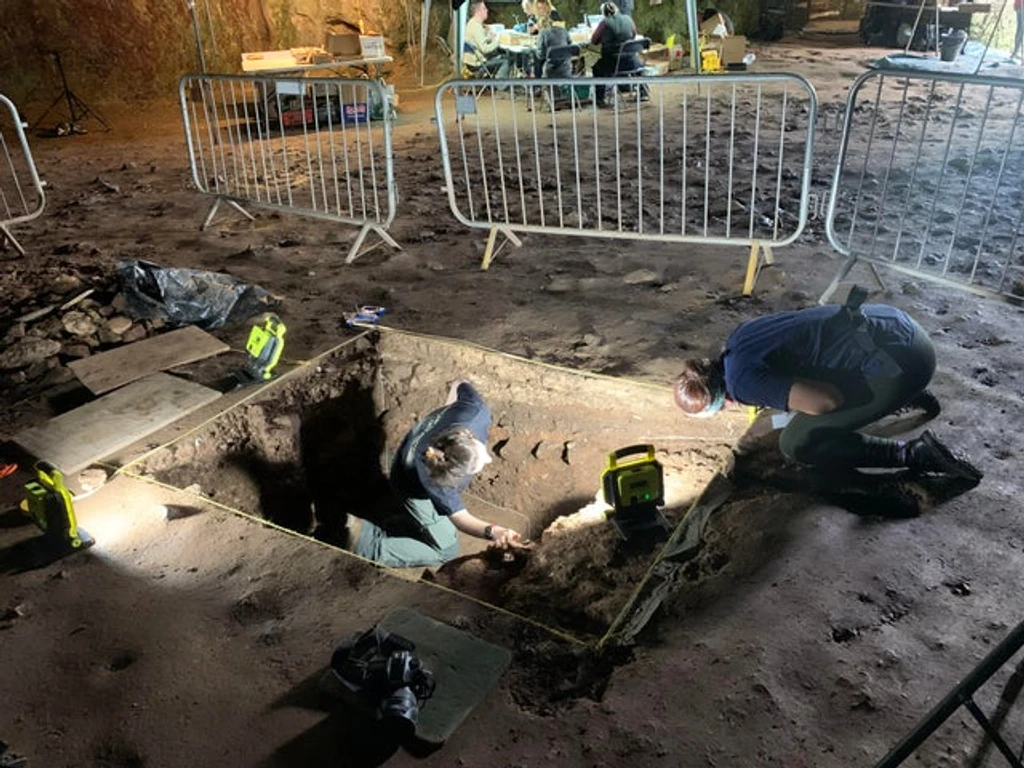
A major five-year archaeological project, led by the University of Aberdeen, will investigate the "enormous" cave. Scientists anticipate finding rare evidence of early Homo sapiens and potentially even earlier Neanderthal occupation. Hippo bones, likely dating to around 120,000 years ago, have also been recovered.
Previous smaller excavations yielded bones of mammoth, woolly rhinoceros, and reindeer, alongside stone tools, indicating human occupation across multiple periods.
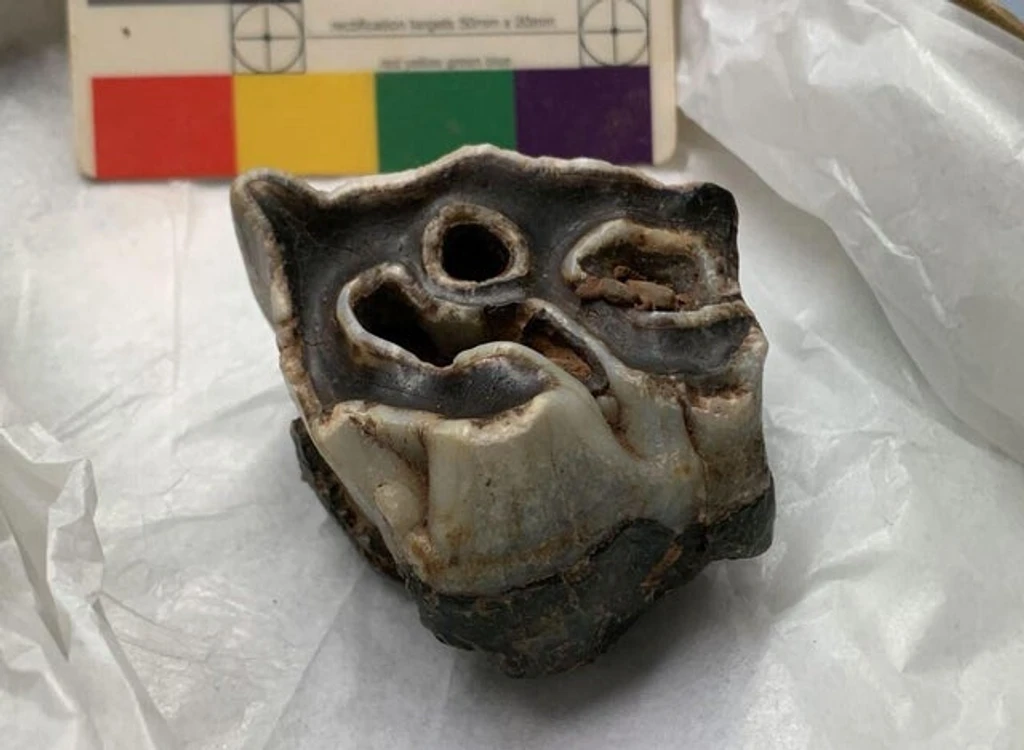
Researchers aim to gain insights into past climate change, extinct species, and the history of human habitation in the region. The cave is considered one of Britain's most important prehistoric archives, potentially charting a long sequence of human activity from hunter-gatherers to early Homo sapiens and Neanderthals.
The discovery adds a new layer to Pembroke Castle's rich history as a medieval fortress and the birthplace of Henry VII.