Humans have demonstrated an extraordinary ability to adapt to diverse environments across the globe. This adaptability stems from biological solutions that enhance survival and reproduction.
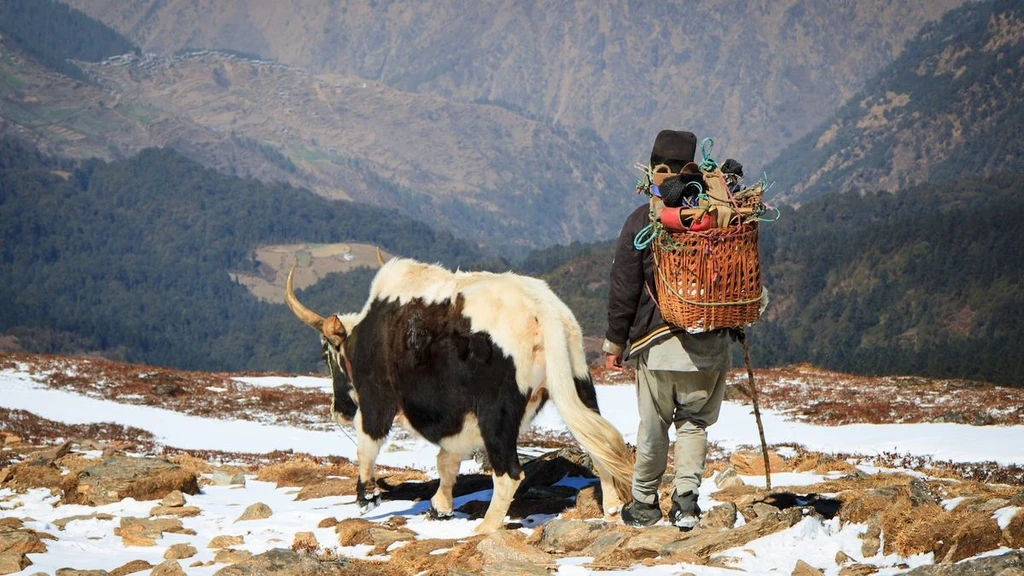
Survival at high altitudes, such as in the Himalayas, is facilitated by specific genetic adaptations. For instance, Himalayan populations possess a variant of the EPAS1 gene that regulates red blood cell production, preventing altitude sickness. This adaptation appears to have been acquired through interbreeding with Denisovans thousands of years ago.
Conversely, the human larynx's low position, while enabling complex language, increases vulnerability to choking. This evolutionary trade-off, prioritizing communication, highlights the inherent compromises in biological development.
Further adaptations are evident in populations like the Sama people, who spend significant time underwater. They exhibit enlarged spleens, a response to prolonged breath-holding and oxygen delivery challenges. This enlargement, driven by a specific allele of the PDE10A gene, showcases natural selection responding to localized environmental pressures.
These examples illustrate how human evolution has yielded remarkable, specialized traits to overcome environmental hurdles, often through complex genetic and physiological adjustments.