March 19, 2026 / 6:00 AM EDT
London - The war in Iran has exposed critical vulnerabilities in Western military defenses against low-cost drones. NATO allies, led by Poland, are now accelerating deployment of advanced anti-drone systems forged in Ukraine’s war.
Poland is developing SAN, the largest counter-Unmanned Aircraft System in Europe, capable of detecting and destroying small, low-flying drones. The system combines radar, radio frequency sensors, jammers, and interceptor drones.
"You just need what works, and you need it as soon as possible," said Robert Tollast of RUSI. Legacy radar systems fail against drones like Iran’s Shahed, which fly low and evade traditional detection.
SAN integrates mobile units-700 vehicles and up to 60 platoons-to dynamically protect airspace. Polish firm Advanced Protection Systems (APS) developed the radar and command software, already proven in Ukraine.
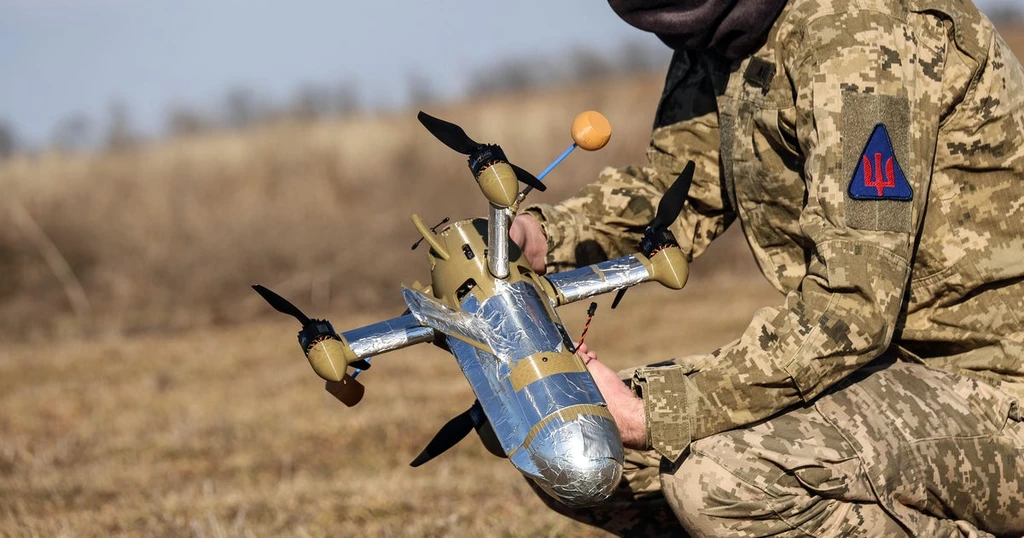
For larger drones, SAN tracks targets beyond 10 kilometers, then deploys autonomous interceptor drones that visually confirm and strike the threat. Smaller drones are neutralized using radar-guided guns.
Ukraine’s President Volodymyr Zelenskyy linked the conflicts, calling Russia and Iran "brothers in hatred." Iran supplies Shahed drones to Russia, which uses them in Ukraine.
There is growing interest from NATO members, including the U.S. and Britain, in adopting such systems. APS reports serious inquiries from allied nations facing drone threats in the Middle East.
The shift marks a strategic pivot: from experimental tech like lasers to field-ready, scalable solutions. As drone warfare becomes central to modern conflict, force structure and defense spending will face hard trade-offs.