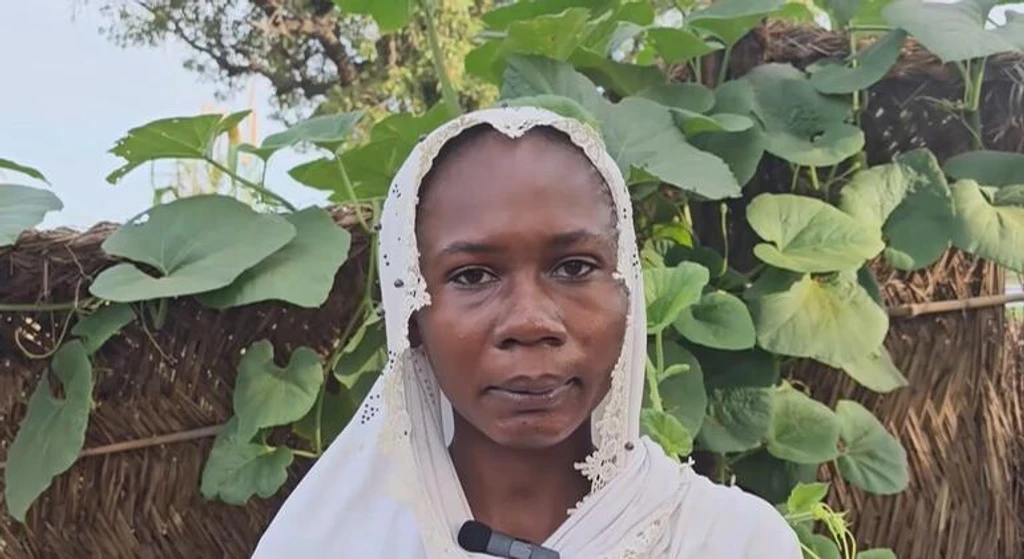
Millions of Sudanese are returning to their homes amidst the ongoing war, despite severely damaged infrastructure. IOM Deputy Director General Sung Ah Lee reported large numbers of people are going back to Khartoum and Al Jazirah state, where homes and critical services like water and health facilities have been heavily impacted.
The determination of the displaced and unbearable conditions elsewhere are driving these returns, with over two million more expected in Khartoum by 2026. Many believe security has improved, while others are pushed by economic hardship in displacement camps and neighboring countries.
The conflict, which began in April 2023 between the Sudanese Armed Forces (SAF) and the Rapid Support Forces (RSF), has displaced nearly 12 million people, with over 4.5 million fleeing to neighboring nations. Today, nearly nine million remain internally displaced.
Returnees in Khartoum face strained urban infrastructure, while in Al Jazirah, agricultural devastation threatens their ability to grow food. Damaged irrigation systems jeopardize livelihoods and food production. Humanitarian response remains severely underfunded, risking safe and sustainable returns without urgent investment in essential services and infrastructure.
Despite diplomatic efforts, the war continues, fueling the world's largest displacement and protection crisis, marked by widespread human rights violations. The UN refugee agency warns of intensifying scale and complexity, with ongoing internal and cross-border movements driven by insecurity and service gaps.