
The Artemis mission, a significant step towards returning humans to the Moon, also sets the stage for future space exploration. Physicist Professor Brian Cox stated that space exploration is now focused on improving life on Earth, not just discovery. The Artemis program aims to establish a sustainable lunar presence and test technologies for Mars missions.
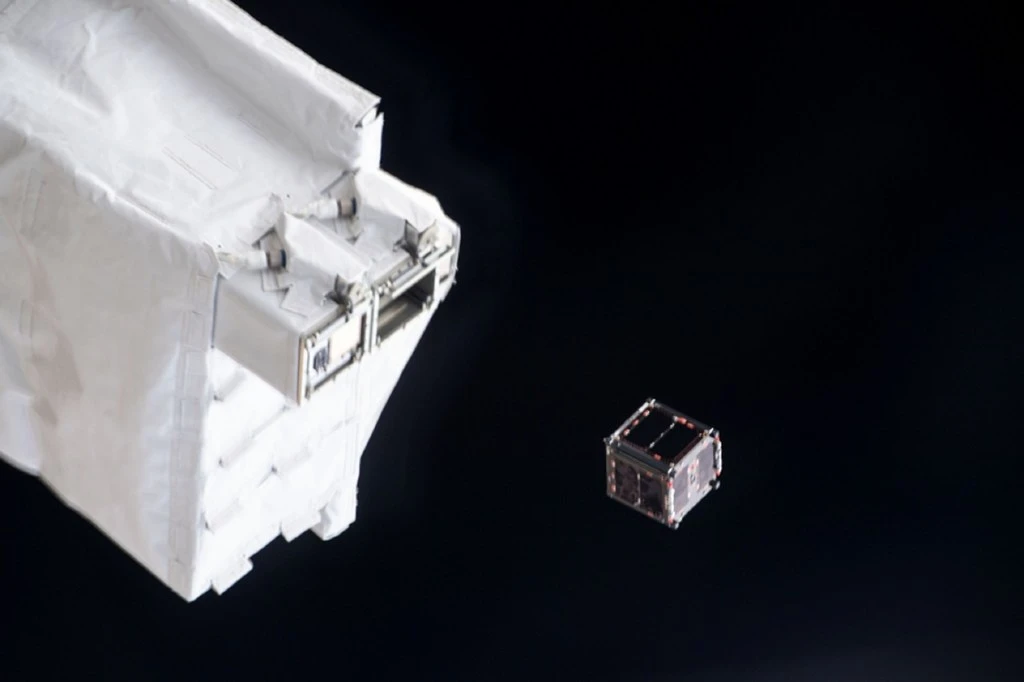
Space technology offers solutions for climate change, disaster management, and sustainable development. Satellite imagery monitors crop yields and deforestation, while connectivity bridges the data divide through e-learning and telemedicine. Professor Cox emphasized that space exploration is an integral part of our lives and economy, belonging to everyone. The UN facilitates international cooperation in space, addressing issues like lunar exploration and space traffic.
Historically, the 1975 Apollo-Soyuz Mission demonstrated collaboration between the US and Soviet Union. Today, the UN's UNOOSA supports emerging space nations in developing national space laws and deploying satellites. However, space debris poses a growing threat, with millions of pieces of debris in orbit capable of causing catastrophic damage.
Cox also expressed hopes for discovering extraterrestrial life, potentially microbial on moons or Mars, and envisions a UN flag planted on Mars, symbolizing humanity's shared achievement.