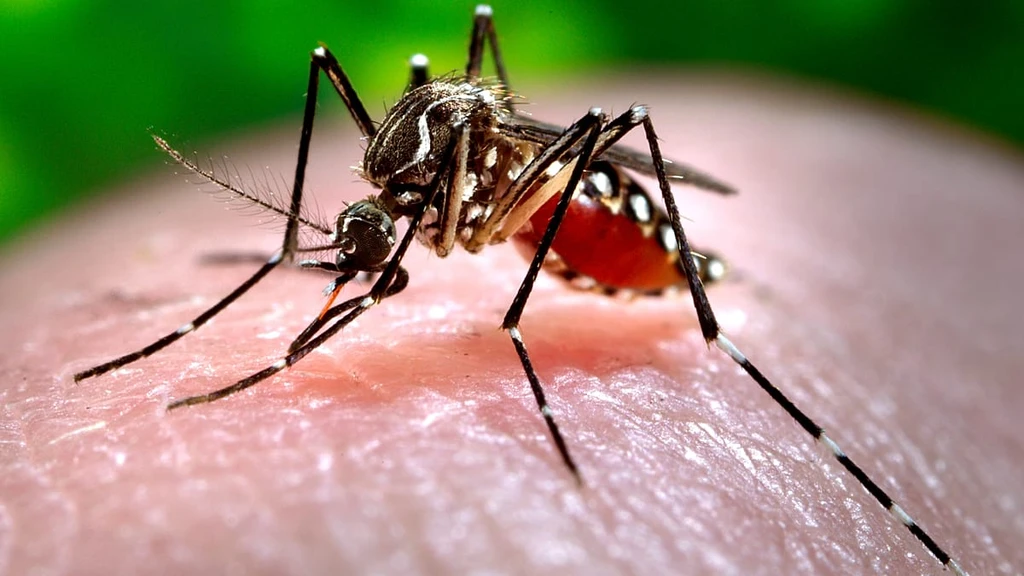
A tropical mosquito species is spreading across Germany. The Asian tiger mosquito has established populations in Bonn, Euskirchen, and the Rhein-Erft district. Now, Cologne warns of potential multiplication, and Berlin marks the northernmost confirmed population.
Experts say the spread is driven by warm, humid conditions, milder winters in North Rhine-Westphalia, and increased international travel and goods traffic.
This mosquito is active during daylight, delivers painful bites, and is identifiable by its black-and-white stripes, measuring 0.5 to 1 centimeter. More concerning: it can transmit dengue and chikungunya viruses.
Symptoms of dengue include high fever, severe headache, muscle and joint pain, and skin rash. Most recover in one to two weeks, but severe cases can be life-threatening. Chikungunya causes sudden high fever and severe joint pain that can persist for months.
To date, no local transmission has been recorded in Germany, but experts say it's only a matter of time due to climate change.
Prevention focuses on eliminating standing water in watering cans, buckets, and plant saucers. Residents can also capture specimens and submit them to the Mosquito Atlas for research.