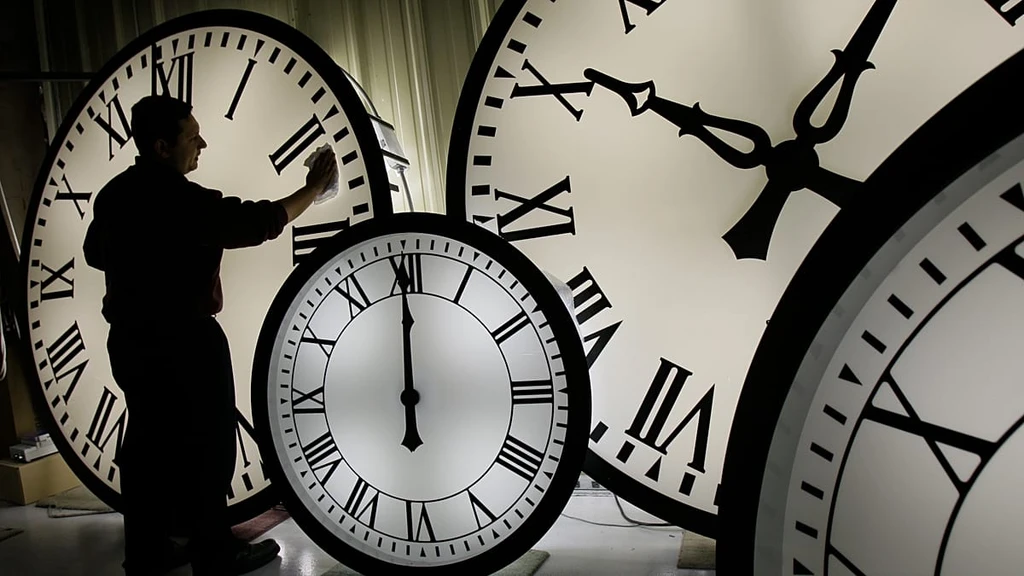
This Sunday, March 29, clocks will move forward one hour, reducing sleep and altering natural light exposure. While welcomed for longer evenings, the shift disrupts circadian rhythms-the body’s internal 24-hour clock regulating sleep, hormones, and mood.
Jeffrey Kelu, post-doctoral researcher at King’s College London, notes that even a one-hour change can delay melatonin release, making it harder to fall asleep. Light exposure in the evening suppresses melatonin, which is crucial for sleep onset.
The transition has been linked to short-term spikes in traffic accidents, heart attacks, and depressive episodes. Chronic misalignment increases long-term risks of obesity, diabetes, heart disease, and dementia.
Kelu advocates for permanent winter time, arguing morning sunlight is essential for resetting the body clock-especially in winter when daylight is scarce. Artificial light, while helpful, is weaker than natural light.
If seasonal changes were abolished, experts recommend retaining standard (winter) time to maintain health-aligned light exposure.