A new study warns that climate change is driving the chikungunya virus into temperate regions, including Europe, northeastern North America, and East Asia. Researchers in China found that 139 countries-21.3% of global land mass-are now at risk.
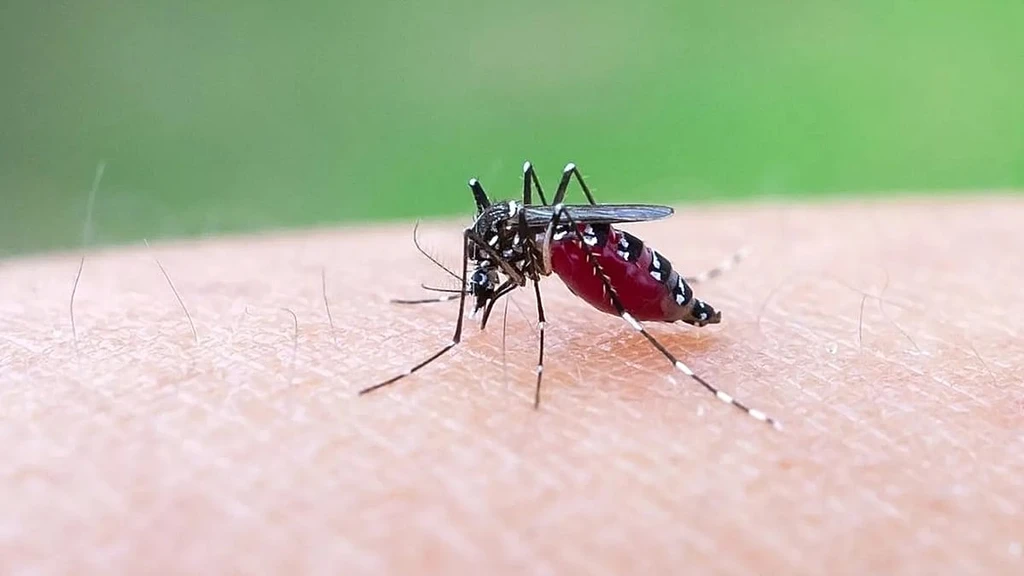
The virus, traditionally spread by the tropical yellow fever mosquito, is adapting to the cold-tolerant Asian tiger mosquito. Warmer temperatures accelerate virus development, making it infectious four to five times faster between 18°C and 28°C.
“Health systems should prepare early,” said co-author Dr. Ye Xu. Indigenous transmission has already been reported in 114 countries. The study models future spread to 2100 using 16 UN climate scenarios, consistently identifying north-central Europe and northeastern North America as future hotspots.
Researchers urge pre-emptive mosquito surveillance and rapid-response plans, particularly in nations like the UK, Germany, the US, China, and Japan, before 2040. The public need not panic, but the window for preparation is narrowing.