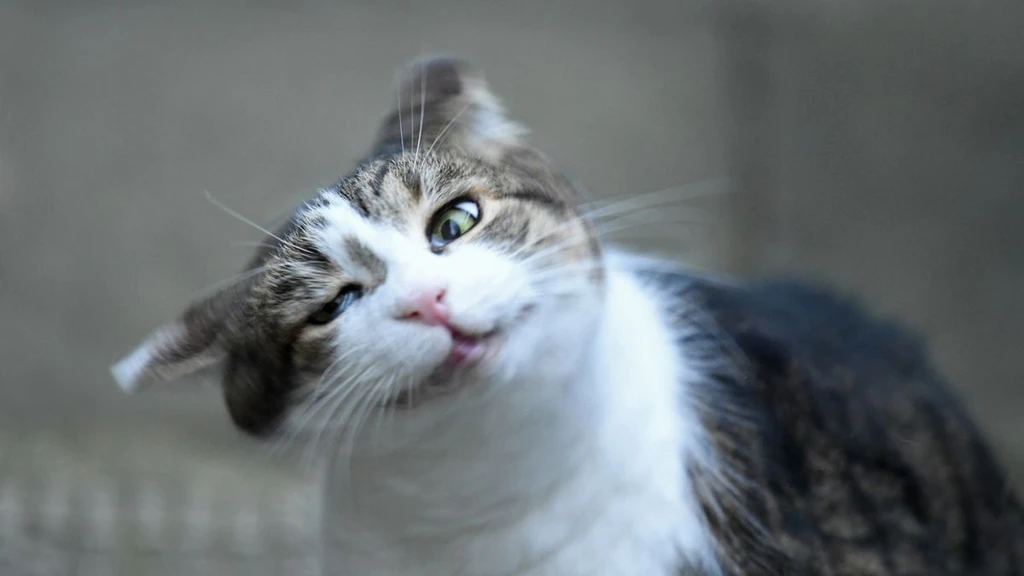
Cats and dogs often exhibit head shakes for a variety of reasons. For cats, this rapid motion is typically triggered by stimulation of sensitive nerve endings and hairs around their head and ears, often following a satisfying scratch or petting session. This physiological response can help dislodge irritants like food or drink particles from their whiskers or ears, and can also resettle their fur. In some instances, a head shake might signal annoyance, particularly if a pet's ears are blown on.
Dogs, especially breeds with upright ears, may shake their heads more frequently due to a higher likelihood of foreign objects like grass seeds or insects entering their ear canals. Beyond this, dogs also exhibit a predatory shake, often when playfully interacting with toys, and a full-body shake, commonly seen after bathing or as a way to decompress after intense play or stressful situations. This "shake off" behavior is believed to help animals relieve tension and reset emotionally and physically.
While head shaking is largely a normal behavior for pets, owners should be aware of when it might signal a medical issue. An increase in frequency, unusual circumstances, or accompanying signs like head tilting or scratching could indicate an ear infection, parasite, irritation, or neurological problem. Untreated ear infections can lead to hearing loss and more serious complications. Consulting a veterinarian is recommended if you have concerns about your pet's head-shaking behavior.