Since the outbreak’s declaration on May 15, testing capacity has expanded to six locations within the Democratic Republic of the Congo and four laboratories in Uganda, where 19 confirmed cases now exist. Yet health officials warn of dangerous blind spots.
“We have blind spots where we get a low number of alerts,” said WHO spokesperson Tarik Jašarević. “There may be transmission chains that are not being detected.”
Bruno Michon, Operations Manager for the International Federation of the Red Cross and Red Crescent Societies, says stopping the virus requires more than a medical response. Speaking from the epicenter in Bunia, he noted that some residents question if the disease is real, believing it was invented to attract foreign aid. Fear and stigma cause the sick to hide at home rather than seek treatment.
“When people are afraid, they may not report symptoms,” Michon explained. “They may avoid treatment centres.”
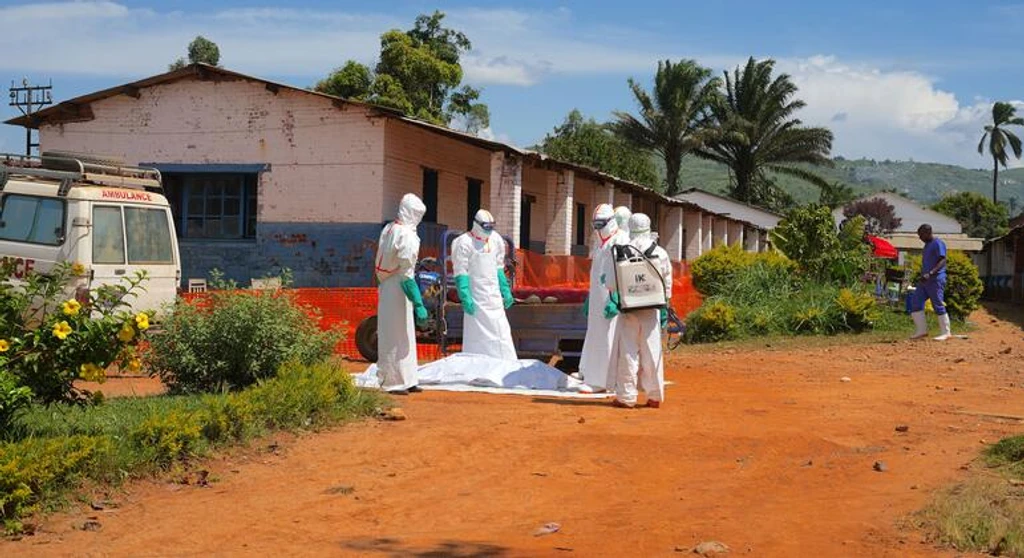
To build trust, responders altered their protocols. They introduced body bags with windows so families can see the deceased’s face and demonstrated how disinfectants are prepared to counter false rumors of poisoning.
“Trust is not a secondary activity in the Ebola response. Trust is central,” Michon concluded.