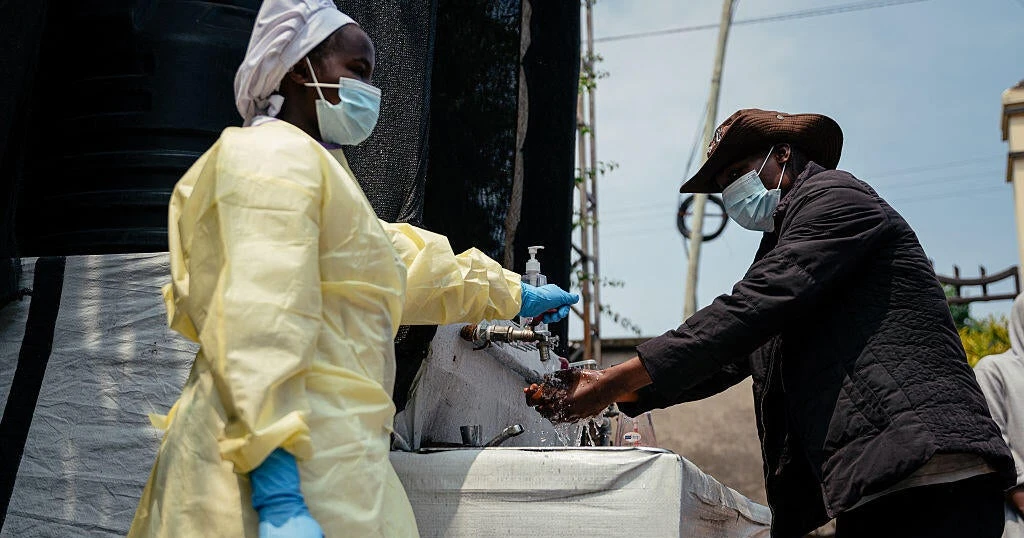
The World Health Organization has declared a public health emergency over an Ebola outbreak in the Democratic Republic of the Congo and Uganda. The virus responsible is the Bundibugyo strain, a rare variant with no licensed vaccine or treatment.
As of Sunday, nearly 250 suspected cases and 80 suspected deaths have been reported. Health officials warn the true numbers may be significantly higher.
This is only the third known outbreak of the Bundibugyo virus. The two prior outbreaks, in Uganda (2007) and Congo (2012), were smaller. The fatality rate from those outbreaks ranged from 30% to 50%-lower than the Zaire strain, which can kill up to 90% of those infected.
Existing Ebola vaccines and treatments target only the Zaire strain. Because each virus species is genetically distinct, a separate vaccine is required. None is close to readiness for the Bundibugyo virus, according to CBS News medical correspondent Dr. Céline Gounder.
Early symptoms-fever, fatigue, muscle pain, headache, sore throat-can mimic other illnesses. The disease spreads through direct contact with bodily fluids of infected or deceased individuals. The WHO emphasizes that early supportive care, including rehydration, can improve survival.